
Hip Replacement Rehab: Steps to a Full Recovery
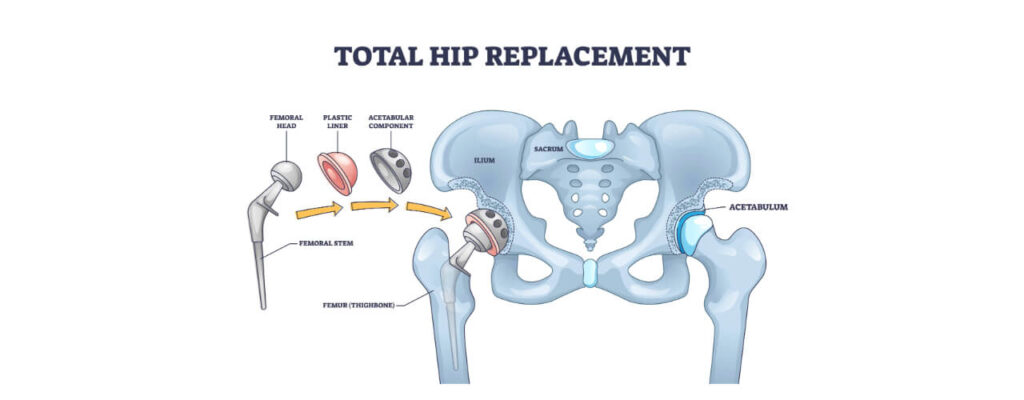
Recovering from hip replacement surgery is a journey that requires dedication, patience, and the right guidance. For many, this journey begins with the critical period immediately following surgery and continues through various stages of rehabilitation. Hip replacement rehab at iMove PT is designed to help you regain strength, mobility, and independence, ensuring a return to the activities you love.
The Crucial First Days: Immediate Post-Op Care
The first few days after hip replacement surgery are vital for setting the foundation for a successful recovery. During this period, it is essential to follow your doctor’s instructions closely to manage pain, prevent complications, and begin rehabilitation.
Managing Pain and Preventing Complications
- Pain management is a top priority immediately after surgery. Your doctor’s instructions for pain medication is essential to ensure comfort and allow you to start your rehabilitation exercises. Equally important is the prevention of blood clots, a common post-surgical risk. Wearing compression stockings and adhering to prescribed blood thinners can help reduce this risk significantly. Additionally, keeping your incision clean and dry is crucial for proper wound care and preventing infection.
Starting Physical Therapy Early
- Physical therapy typically begins soon after surgery, with gentle exercises designed to promote circulation and prevent stiffness. These early movements are crucial in helping you regain some range of motion and begin the process of rebuilding strength. Starting physical therapy early can significantly impact the overall success of your hip replacement rehab, setting you on the path to a full recovery.
Early Rehabilitation: Building a Strong Foundation
As you move beyond the initial post-op phase, the focus of your hip replacement rehab shifts to more active rehabilitation efforts. This stage is about regaining strength and mobility while ensuring that you follow your guidelines for weight-bearing and the use of assistive devices.
Adhering to Weight-Bearing Guidelines
- Depending on the specifics of your surgery, you may need to limit the amount of weight you place on your hip. Adhering to these guidelines helps prevent complications and ensures that your hip heals correctly.
Focused Physical Therapy
- Your physical therapy regimen during this stage will likely include a combination of range of motion exercises, strengthening exercises, and gait training. These exercises are designed to restore mobility, build muscle strength, and improve your walking patterns. The goal is to gradually increase your ability to move while ensuring your hip is supported as it heals.
Using Assistive Devices for Support
- Assistive devices like walkers or crutches are often necessary during early rehabilitation to help you move safely and confidently. These tools provide stability and reduce the risk of falls, allowing you to focus on your recovery without unnecessary strain on your hip.
Later Rehabilitation: Gaining Strength and Independence
As your hip replacement rehab progresses, you’ll enter a phase of rehabilitation focused on returning to normal daily activities and building long-term strength and mobility.
Progressing with Weight-Bearing
- During this stage, your therapist will teach you to gradually increase your weight-bearing activities. This progression is essential for rebuilding strength and ensuring that your hip can handle the demands of everyday life.
Advancing Physical Therapy Goals
- Physical therapy is crucial in this phase, focusing on more advanced strength, balance, and coordination exercises. As your hip becomes stronger, you’ll work on functional activities like walking longer distances, climbing stairs, and even driving. These exercises are designed to help you regain full independence and confidence in your movements.
Maintaining Your Hip’s Health
- Even after you’ve completed the more intensive stages of hip replacement rehab, it’s important to continue with exercises and stretches to maintain your hip’s health. Regular activity helps keep your muscles strong and your joints flexible, reducing the risk of future problems and ensuring that you remain active and pain-free.
Your Path to Recovery with Hip Replacement Rehab
Recovering from hip replacement surgery requires commitment and the right approach at every stage. From immediate post-op care to later rehabilitation, hip replacement rehab is designed to guide you through each step, helping you regain strength, mobility, and independence. By working closely with your physical therapist, you can look forward to a full recovery and a return to the activities you enjoy! Contact Us