
Don’t Let Shoulder Pain Hold You Back
Our Physical Therapists Can Get You Back On Track
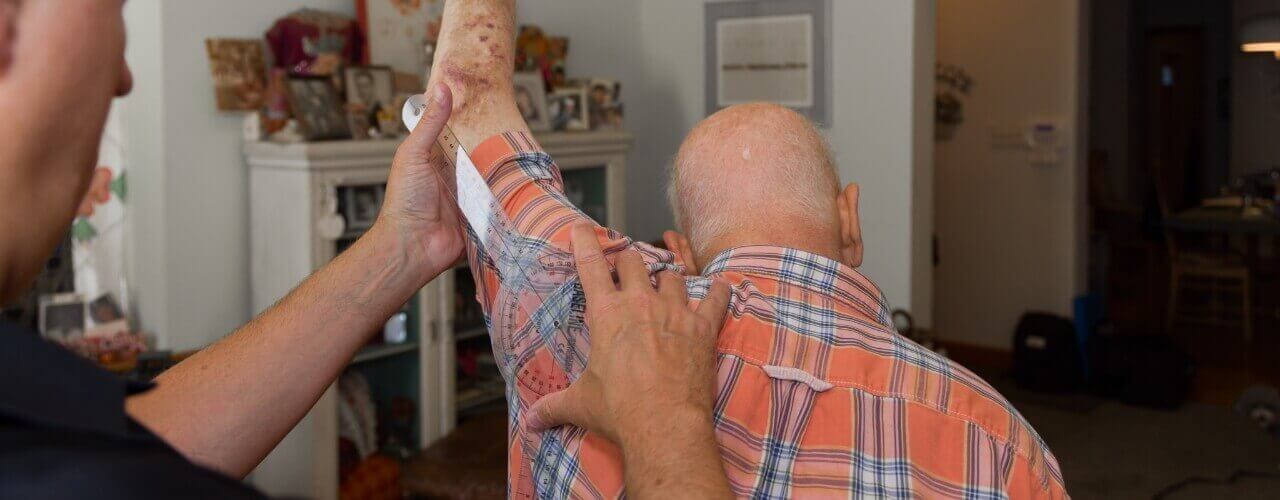
More than any other joint in the human body, the shoulder requires a unique combination of mobility and stability. Whether you are an office worker, aging adult, or a professional athlete, your shoulder joint plays an invaluable role in your day-to-day activities. Our experienced team is here to assist you in managing and treating any shoulder and arm pain you may be experiencing.
While the cause of this pain might be too complex to fit into this paragraph, it can be simplified into abnormal stresses on soft tissues in your body that lead to inflammation which causes your pain. Your physical therapist in Kansas City, MO, Joplin, MO, Tulsa, OK, Chesterfield and St. Louis, MO and Metro East, IL will work with you to strengthen the muscles and regulate the mobility of the joint to increase its tolerance to these stresses.
- Treatment by a professional Physical Therapist
- Reduction or elimination in pain
- Practice quality treatment, in the location of your choice
- Post care service to reduce risk of reinjury

Why Does My Shoulder Hurt?
Shoulder pain can range from mild aches and pains to severe pain and disability. Injuries to the muscles surrounding the shoulder (i.e., rotator cuff) or the joint itself can leave you unable to lift your arm or tolerate lying on it at night.
A variety of things can cause shoulder pain. You might have been in a car accident, pulled a muscle, or have arthritis. Whatever the source of your pain, our team can help!
Here are some common causes of shoulder pain for which you can seek treatment in Missouri, Illinois, and Oklahoma:
Rotator Cuff Injuries
The rotator cuff is a group of four muscles of the upper arm that serve to dynamically stabilize the shoulder and play a vital role in the shoulder and arm movements.
Shoulder soreness, arm weakness, difficulties reaching behind the back, and sleeping problems are all symptoms of rotator cuff injury.
Although some mild rotator cuff injuries can heal on their own, physical therapy can help ensure you resolve your condition thoroughly and prevent future problems without the need for surgery. However, if surgery is required, physical therapy will be an essential piece of the recovery process!
Impingement
Shoulder impingement describes a condition where a rotator cuff tendon(s) is pinched as they pass between the top of the upper arm (humerus) and the tip of the shoulder blade (acromion).
Pain, weakness, catching, and an inability to move the shoulder joint fully, specifically when you raise your arms overhead or to the side, are typical symptoms of impingement. It is common to have difficulty lying on the painful side, and sleep is often disrupted.
Although several contributing factors, including posture and muscle weakness, degenerative changes, and osteoarthritis, are typically responsible for this condition. Fortunately, our physical therapy in Kansas City, MO, Joplin, MO, Tulsa, OK, Chesterfield and St. Louis, MO and Metro East, IL can help you with any of these problems!
Tendonopathy
Tendonopathy describes any problem with a tendon, including disease, injury, or disorder.
Tendinitis is inflammation of the tendons in the shoulder, including the rotator cuff and biceps tendons. Acute injuries, including minor or partial tearing, can produce an inflammatory response typical of tendonitis.
Tendinosis describes a dysfunctional tendon and typically does not specify the pathological process. This condition is associated with overuse-type conditions and degenerative changes that lead to micro-tearing and pain. These tendon injuries are not associated with inflammation, and anti-inflammatory medications may delay their healing!
When tendons become injured or inflamed, any movement can cause pain or feel weak, especially when you raise your arm to the side or overhead.
Arthritis
The two most frequent kinds of arthritis that affect the shoulder are osteoarthritis and rheumatoid arthritis. Both result in deterioration of the cartilage in the shoulder joint. The more severe the degeneration, the more challenging daily tasks become.
Osteoarthritis is common in both active and inactive populations. Although most cases of osteoarthritis have no known cause, arthritis often develops after a traumatic event and/or repetitive stresses after an injury. There is also evidence that a genetic component makes you more susceptible to developing this condition. Regardless of how it starts, it typically leads to the loss of articular cartilage, pain, and inflammation.
Rheumatoid arthritis is an autoimmune disease that causes the immune system to target the membranes surrounding the shoulder joint. Discomfort and inflammation are symptoms of this illness.
Instability and Labral Tears
Shoulder instability is described as the ball of the shoulder joint (humeral head) moving either completely or partially out of the socket (shoulder blade). The most common causes of instability occur when the lining of the shoulder joint (the capsule), ligaments, or labrum become stretched, torn, or detached.
A labral tear occurs when there is an injury to the ring of cartilage in the shoulder joint. Some labral tears increase the potential for shoulder partial and complete dislocations.
Symptoms of a labral tear may include the following symptoms:
• Pain and/or catching with specific shoulder joint movements
• Typically a dull throbbing ache
• Difficulty sleeping
• Partial or full dislocations of the shoulder joint
Frozen Shoulder
Frozen shoulder (aka adhesive capsulitis) is characterized by stiffness, loss of range of motion, and pain in the shoulder joint. Most often, the symptoms begin gradually and worsen over time. Most symptoms typically resolve on their own within one to three years.
If you are experiencing pain, loss of motion, and a constant feeling of tightness in the shoulder joint, you might have a frozen shoulder and need a physical therapist to guide you back to health!
What You Can Expect With Shoulder Pain Physical Therapy
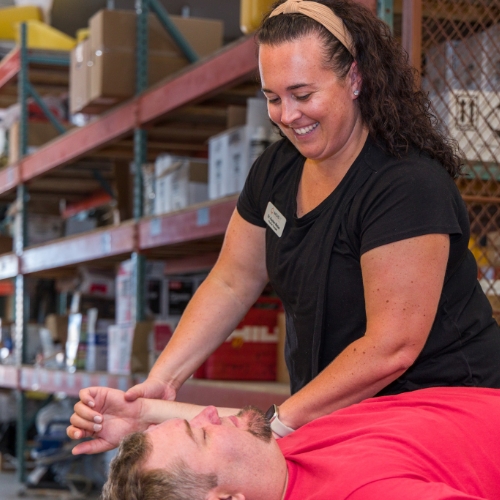
Our physical therapists at iMove PT will provide you with a comprehensive treatment plan at the location of your choice. The treatment plan will help increase your shoulder’s tolerance to the physical stress of everyday life. You will then be able to enjoy life more with less shoulder pain!
Do Not Ignore The Pain
Any professional, regardless of specialization, will provide you with generally this same piece of advice. DO NOT IGNORE THE PAIN for any reason. In our experience, any pain that lingers for longer than a week will rarely go away on its own. In fact, based on an article by Croft, Pope, and Silman, 40 – 50% of patients with shoulder pain report persistent shoulder pain or a recurrence in shoulder pain after 12 months of the pain onset. What does this mean for you? It means that simply waiting on the pain to go away on its own could potentially lead to further injury, or in a best case scenario, it could leave you with a long term pain that could have been taken care of by a professional physical therapist.
Get Your Appointment Delivered Right Where You Need It.
Time is valuable, let our therapists come to you.
On your schedule, in the location of your choice, with no added fees.
Your Next Steps…
Request An Appointment
Receive A Custom Treatment Plan
Work Hard and Progress In Your Recovery
Recover & Enjoy Life Pain-Free!