
Empowering the Active Aging Adult
Empowering the Active Aging Adult
By: Dr. Alex Booher, PT, DPT, CEEAA
How many times have you heard something along the lines of “that’s just part of getting older’ or, even worse, felt helpless because someone dismissed your healthcare concerns because of your age? Unfortunately, both of these happen all too often in the world today and a big reason is because we fail to understand what happens as we age and what we can do to reduce the negative effects.
Body Changes with Aging
As we age, a variety of changes occur to every system in our body. We experience decreases in muscle mass (strength), coordination, skin thickness, vision, hearing, and a variety of other body systems. While this may sound alarming, it is a normal part of the aging process; but the best part is…you can do something about it!
Exercising as an Older Adult
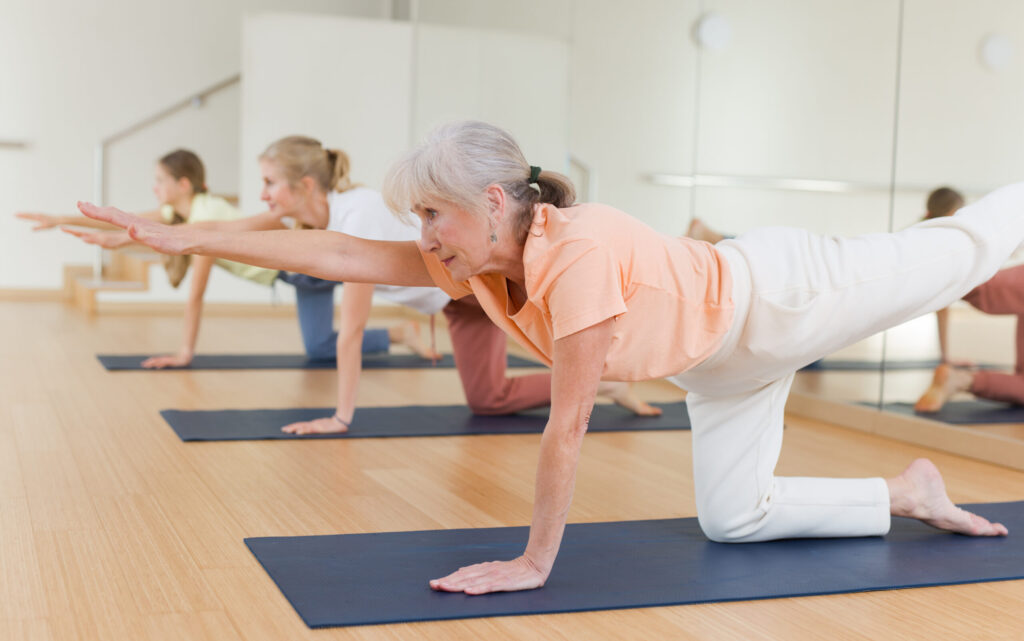
Countless studies have been performed on the benefits of exercise as we age and the results are exciting: consistent exercise helps improve our strength, balance, and heart/lung function and can improve no matter what your age is! Long gone are the days where we should accept getting weaker, stumbling, and falling as a part of getting older. Every person can and should participate in a consistent exercise program to stay active and healthy!
Why is it so Important to Exercise?
“I don’t want to live in a nursing home”. “I don’t want to be a burden on my family.” “I want to stay in the house I have lived in for over 50 years.” These are some of the most common concerns adults have as they age and are not to be taken lightly. Maintaining your independence and quality of life is important to nearly every adult and thankfully can be improved with consistent exercise.
What Type of Exercise Should I be Doing?
The Centers for Disease Control (CDC) recommends older adults (ages 65+) should get at least 150 minutes of moderate intensity aerobic exercise (brisk walking, swimming, cycling, jogging, hiking) every week. This amounts to 30 minutes 5 days per week. In addition, it is recommended older adults perform strength training at least 2 days per week. For more guidance on how/where to start, refer to our “Use it or Lose it” blog.
How do I Advocate for Myself or a Loved One?
It can be overwhelming to visit doctors, therapists, and other healthcare professionals. Many times these visits happen quickly and a lot of information is said without having time to process. This can leave you feeling confused, anxious, and unsure about your plan going forward. Here are a few tips to help make sure you are getting the most out of your doctor visits:
- Find a doctor, physical therapist, or case manager who takes time listening and understanding your specific needs
- Write down questions you have in advance. This will help make sure your concerns are answered before you leave the office.
- Never be afraid to call back after an appointment and ask a question you forgot to ask. We are in the business of helping people and should never be too busy to answer a question.
- Don’t assume something is normal just because you are getting older. Many times adults don’t bring up concerns because they think it is “part of my age” when in fact, it could be improved upon by asking your healthcare provider
Key Takeaway
Remember, no matter if you are 18, 65, or 98, there are always things you can change and improve. If you are unsure where to start, give us a call and we would be more than happy to help guide you in the right direction!