

Back Pain vs. Sciatica: Exploring the Distinction
If you’re dealing with pain in your back and lower extremities, you may have been told you’re suffering from sciatica. But are you really?
People often confuse lower back pain and sciatica, and if you’re in intense pain, you probably don’t care much about what it’s called–you just want relief! But in reality, understanding the type of pain and why you’re experiencing it is crucial in finding a lasting, long-term solution.
Today, we want to share two iMove PT patient stories with you. One patient (we’ll call him Frank) suffered from sciatica. Another patient (we’ll call her Laura) had back pain. By looking at these two stories, we hope you can better understand why distinguishing between back pain and sciatica is so important.
Frank’s Story: A True Case of Sciatica
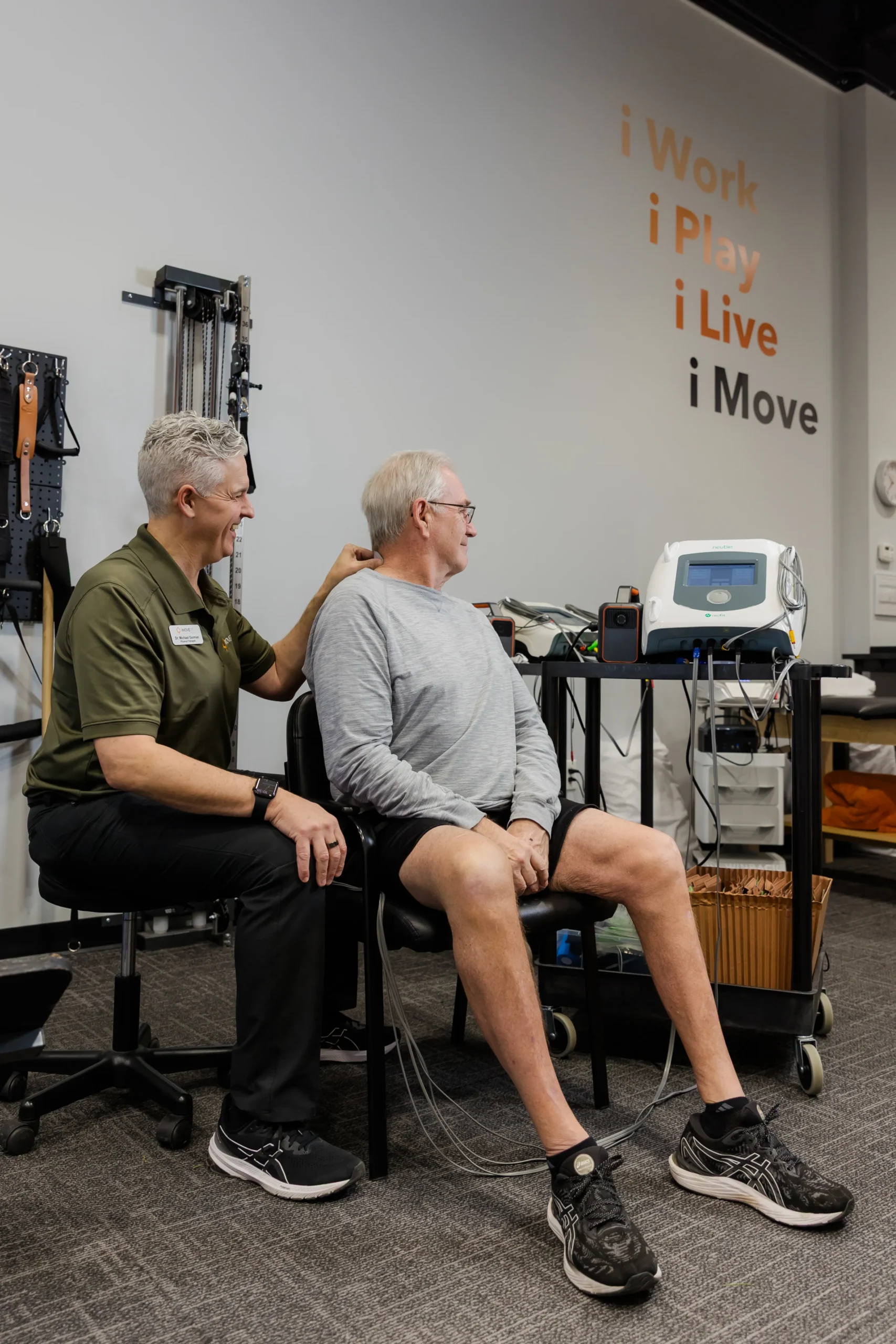
Frank visited us because his pain was unbearable. He was experiencing it throughout the lower half of his body: in his lower back, through his buttocks, and all the way down to his foot. But it wasn’t just pain. Frank also experienced numbness and tingling throughout his leg, which only alarmed him further.
After learning Frank’s symptoms, we suspected sciatica–true sciatica. Why? A couple of reasons:
- The numbness and tingling indicated a nerve issue
- The symptoms follow along the path of the sciatic nerve, from which the condition takes its name
The next step was determining why. Sciatica isn’t a condition in and of itself but rather a sign that something is impacting the sciatic nerve. After a comprehensive evaluation, including several movement screens, we determined Frank’s sciatica stemmed from a herniated disc in his lower back.
Herniated discs occur when one of the intervertebral discs in the spine bulges or, in rare cases, ruptures. If it irritates the sciatic nerve (the root of which is located in the lower back), it will cause sciatica. In fact, most people with sciatica develop it due to a herniated disc.
Now that we knew the source of Frank’s pain, we were able to create a custom treatment program to strengthen his back and core, helping to relieve pressure on his sciatic nerve as his herniated disc healed.

Our Mobile Physical Therapy Services
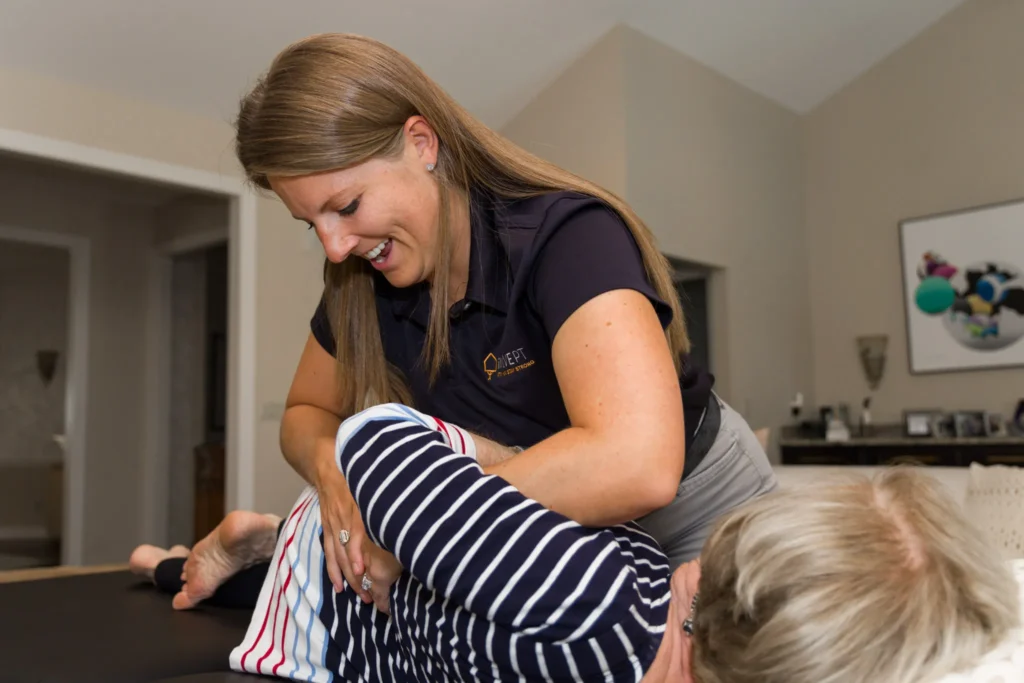
At iMove PT, we offer a comprehensive range of mobile physical therapy services designed to cater to your unique needs. Our expertise spans orthopedic rehabilitation, sports medicine, neurological rehabilitation, geriatric physical therapy, and pre and post-surgical rehabilitation. By providing targeted, specialized care, we ensure that our clients receive the most effective treatment and support throughout their recovery journey. Our mobile services bring this personalized approach directly to your doorstep, making your physical therapy experience more convenient and accessible than ever before. We understand that every client’s journey to recovery is unique, which is why we prioritize personalized treatment plans, skilled and licensed therapists, flexible scheduling, and ongoing support. At iMove PT, our commitment to your well-being extends beyond treating injuries and conditions.
Laura’s Story: No Sciatica Detected
Laura visited us after her doctor told her she had developed sciatica. She was dealing with intense lower back pain that severely restricted the mobility in her back, making it difficult for her to walk. Sometimes, the pain spread down into her buttocks, too, although it never made it to her legs.
For this reason, we knew it was unlikely Laura had sciatica. Because sciatica affects the sciatic nerve, it always causes radiating pain throughout the lower extremities. She also wasn’t experiencing any signs of a nerve disorder.
However, there was no doubt that Laura was in pain and needed relief! We conducted an in-depth assessment to find out what might be going on. When we took Laura’s health history, we learned that the pain started after she rearranged some heavy furniture in her house. Some additional movement screens confirmed what we suspected: Laura had strained her back muscles.
A strain occurs when the tissue fibers in your muscles or tendons tear. Sometimes, those tears are microscopic but painful nonetheless. Laura’s injury was not only painful but also impacted her movement and posture.
Fortunately, a mild to moderate muscle strain can usually resolve with physical therapy. We developed a customized treatment plan to help her manage pain and improve her range of motion. As she improved, we began incorporating strengthening exercises.
Personalized Treatment Plans, No Matter the Cause
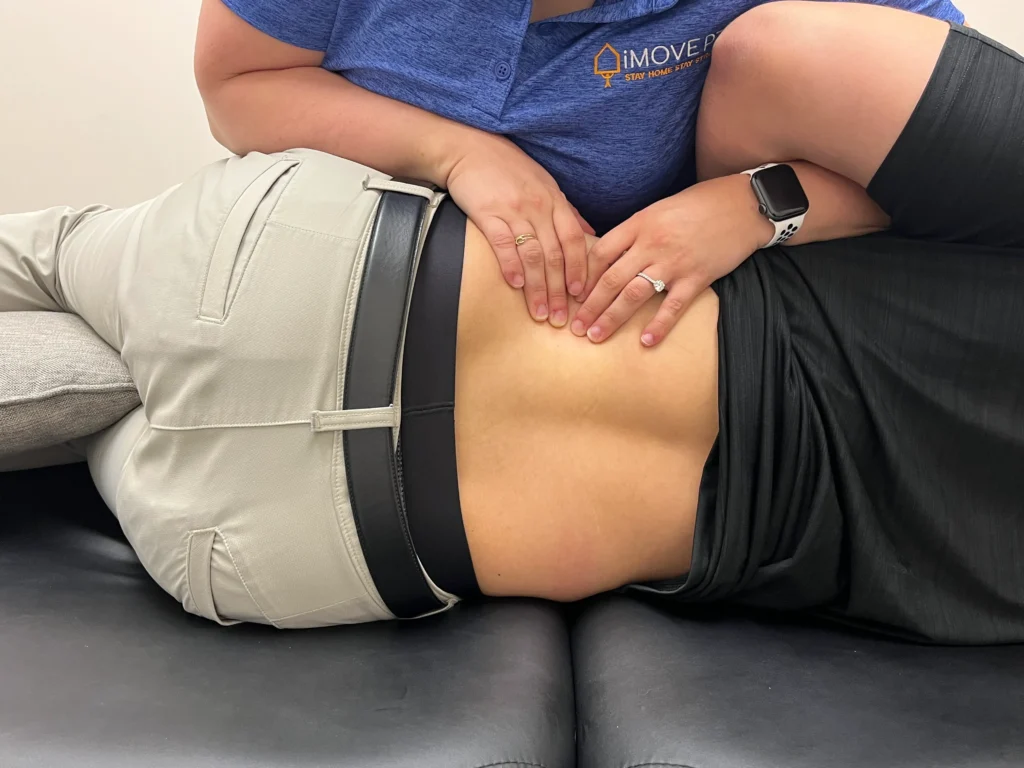
Although Laura and Frank had two different injuries with different symptoms, their treatment plans looked fairly similar. That’s because physical activity is one of the best ways to resolve sciatica and lower back pain.
We put so much emphasis on identifying the source of your pain so we can develop the right treatment plan for your needs. We offer several techniques to help manage pain and rehabilitate a musculoskeletal injury, such as manual therapy, tailored exercises, and functional training.
At iMove PT, we want to help you live a healthy, happy life–and that starts with resolving any pain and discomfort that might be holding you back. If you’re dealing with persistent pain in your back, your legs, or anywhere else, call us to schedule an assessment today. Our physical therapists are on the case!
Exercise of the Month:
Clamshells
Lie on your side with your knees bent and feet together. Position an exercise band above your knees. The side you want to exercise should be on top. While keeping your feet together, lift your top knee away from your bottom knee. Slowly return to the starting position. (Materials needed: exercise band)
3 Sets, 10 Reps.
Stay in the Game
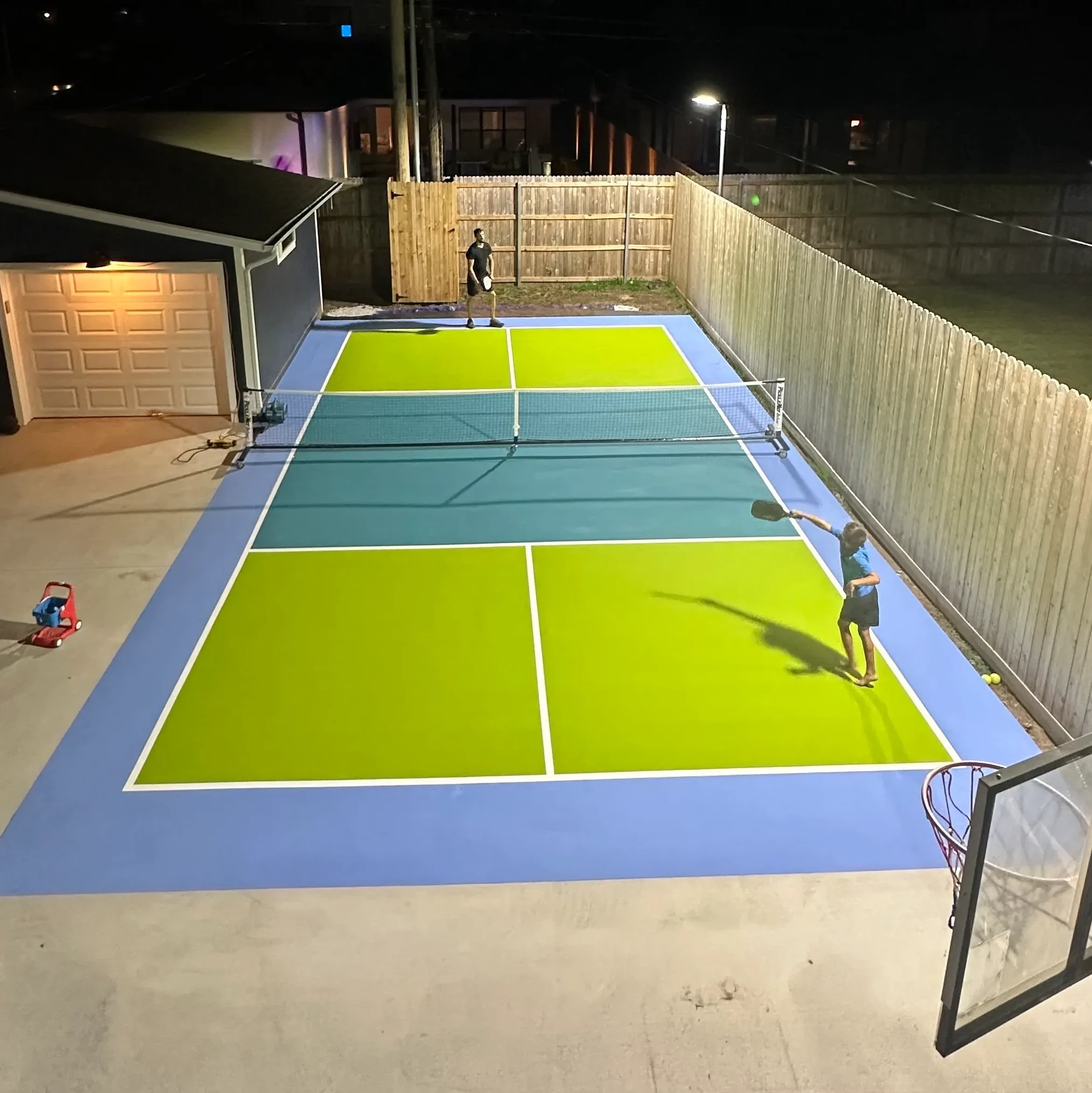
Play Pickleball Pain-Free with iMovePT Tulsa!
Who wants to enjoy the fun and cardiovascular benefits of pickle ball while also avoiding those pesky hamstring injuries or even worse, falls with broken bones?
Look no further than iMovePT Tulsa to get you into optimal playing shape/safety or rehab any injury you’ve already suffered so the things you enjoy can continue to be apart of your life as you age!
Understanding the “Comprehensive Assessment”
If you’ve been reading our newsletter for a while, you’ve probably seen us mention that we perform “comprehensive assessments” as the first step to treatment. These assessments are a crucial part of our process, as they allow us to better understand your symptoms, identify an underlying cause, and simply learn more about you.
But what exactly happens during these first-session evaluations? What can you expect? Today, we want to provide an in-depth overview so you can feel confident when you visit us for the first time!

The Basics
- We dedicate a full hour to our initial evaluations.
- Wear comfortable, loose-fitting clothes like those you’d wear to work out.
- Be sure to arrive 15 minutes early so we can take care of any necessary paperwork.
Part 1: Health History and Symptom Evaluation
We’ll start by taking a complete health history. This includes any diagnoses you have and a discussion about what brought you into the clinic in the first place. The more information you can share about your symptoms and/or condition, the better.
For example, if you’re experiencing pain, make sure to tell us…
- Where the pain is located and whether or not it moves around
- The exact sensations of the pain (aching, burning, etc.)
- Whether it’s accompanied by additional symptoms, like mobility restriction or swelling
If you suffered an injury, we’ll also ask for detailed information about what exactly you were doing and what the injury felt like.
Part 2: Time to Get Moving
Not only will we ask you to discuss your symptoms, but we’ll also ask you to perform simple screens so we can measure any impairments that might be affecting your condition. What exactly we look for will vary based on your health history, but we often evaluate the following:
- Range of motion
- Strength
- Balance
- Posture
- Walking pattern
- Specific functional movements like bending, squatting, kneeling, and reaching.
Don’t feel intimidated by these screens. We aren’t grading you on your abilities but instead trying to better understand your injury or condition so we can develop the best treatment plan for your needs.
Part 3: A Personalized Treatment Plan
In fact, that treatment plan is how we finish up your initial session. We’ll develop a customized program based on all the information we gathered throughout the appointment. That way, you’ll be ready to get started at your next session!
If you’re dealing with pain or discomfort, don’t put off visiting iMove PT. Call us for an appointment today.