

How Physical Therapy Can Help Sports Injuries This Spring
At iMove PT, we are experienced in dealing with all spring sports season injuries and can give you the programs to prepare you for the season and prevent new injuries! Are you looking forward to getting out on the courts? Do you look forward to golf or the start of baseball/softball season?
The winter seasons can be sedentary and lead to more aches, pains, and discomfort than one may think. Fortunately, the warm weather is a great time to get outdoors and play sports.
If you find yourself in pain from a throwing injury or a bad swing of the club or racket this spring, or you’d like to discuss ways you can get in shape to prevent any injury, don’t hesitate to contact iMove PT.
Whether you are a young athlete or have played sports for decades, our physical therapists know how to treat your injuries and get you back in the game.
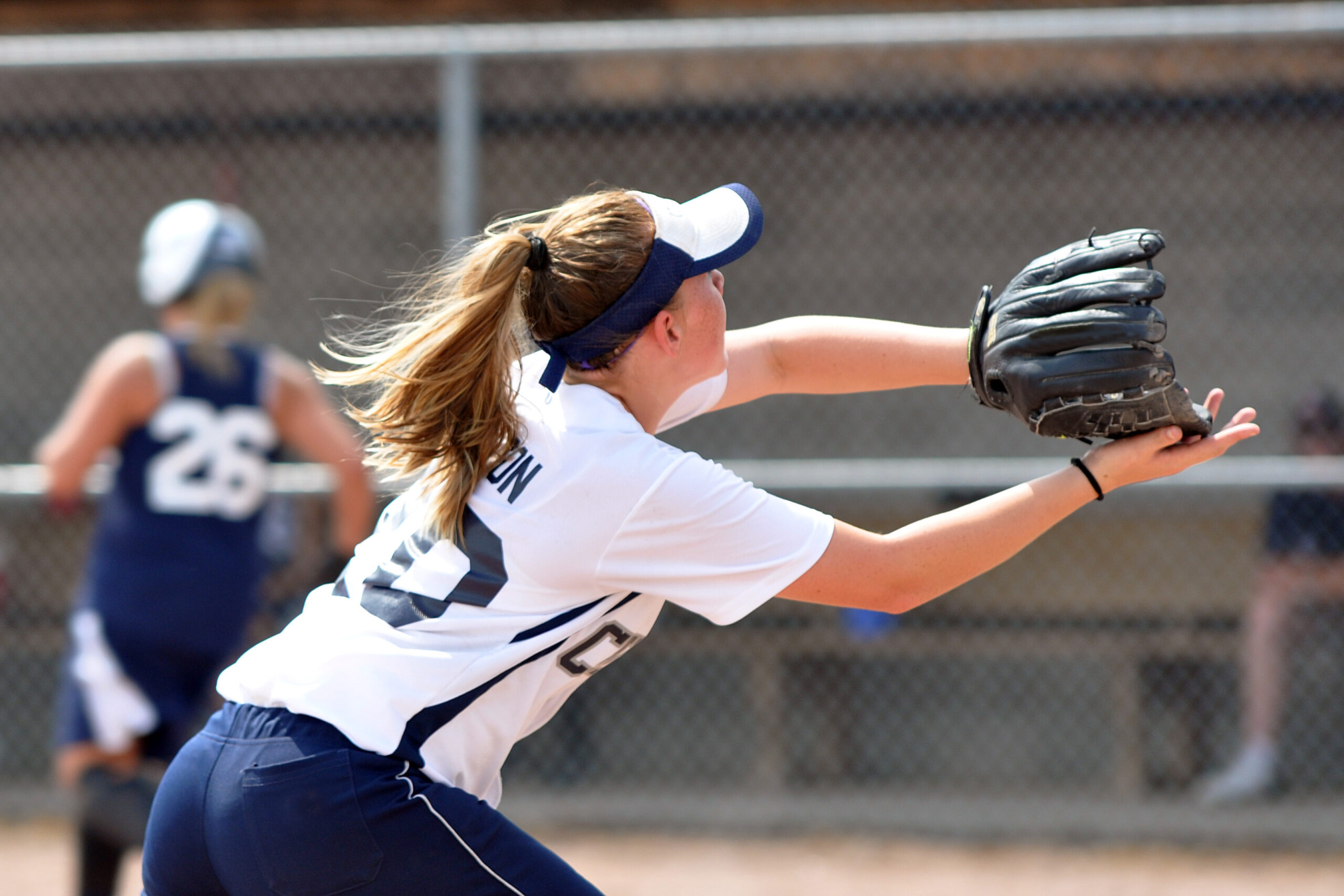
Common Causes of Sports-Related Injuries
Injuries are a part of sports, but you can resolve them quickly and get back to doing what you love with a proactive approach to rehabilitation. Most athletes learn that taking care of issues when they are small leads to a faster recovery.
Many people think sprains and strains are the same, but they describe damage to different tissues. Tendons are tissues that connect muscles to bones, and ligaments are tissues that connect bones to the bone.
- Sprains occur when a ligament is stretched beyond its limits or torn.
- Strains occur when a tendon is stretched beyond its limits or torn.
Sprains are typically the result of a trauma, a deceleration (slowing down) movement, or a sudden change in direction. The most common symptoms include pain, inflammation, muscle spasm, and sometimes an inability to move the joints where the injury occurred.
Ankle sprains are often the result of a faulty step while running or stepping on uneven terrain. The injury occurs when the ankle rolls, twists, or turns awkwardly to the outer aspect of the ankle (i.e., lateral ankle sprain). This sudden stretch leads to partial or complete tearing of the ligaments supporting the ankle joint. The severity of the injury will determine the degree of pain, inflammation, and ability to move the joints where the injury occurred.
Approximately 85% of ankle sprains are inversion sprains (i.e., rolling outward). This injury damages the outside (lateral) ligaments and may lead to restrictions on how the joint moves. The joint restrictions will, in turn, affect the athlete’s ability to tolerate running and jumping and may also lead to chronic ankle instability and new injuries that impact an athlete’s ability.
It is important to note that it is in your best interest to have a physical therapist make sure a sprain is fully healed before returning to your normal level of physical activity. Regardless of the type and nature of your sports injuries, our team can help!
Our therapists will assess your particular condition to identify the contributing factors and address all of them. Rather than focusing on one cause of your pain, your therapist will address all of the causes.

What to Expect from Physical Therapy
The overall goal of physical therapy is healing and prevention. In addition to treating the injury, our physical therapists will help resolve any pain, restore motion and strengthen the affected area to prevent additional injury.
An effective rehabilitation program depends on a thorough history to understand the exact nature of the injury and the athlete’s goals. We use the information gathered in the initial evaluation to identify the underlying condition and pathology of the symptoms.
The initial stages of physical therapy will focus on restoring any lost motion, reducing the swelling, and using all available treatments to alleviate any pain you may experience.
Your physical therapist will incorporate manual techniques and modalities to reduce pain and inflammation before initiating active rehabilitation. Our programs focus on correcting dysfunction and/or improper technique and equipment.
Dysfunctional movement patterns can last for years, leading to re-injury and other injuries. Our therapists will design a comprehensive program that includes restoring range of motion, strengthening, neuromuscular control, proprioceptive responses, and sports-specific exercises. We will look for any changes in your gait pattern that may make it difficult for you to move around freely.
Our physical therapists will show you therapeutic exercises to address any underlying issue, such as a weakness that may be contributing to altered movement patterns, balance issues, and overall susceptibility to more injuries. We will perform a comprehensive assessment to ensure we provide the tools you need to enjoy the sport you love!

Our Mobile Physical Therapy Services
At iMove PT, we offer a comprehensive range of mobile physical therapy services designed to cater to your unique needs. Our expertise spans orthopedic rehabilitation, sports medicine, neurological rehabilitation, geriatric physical therapy, and pre and post-surgical rehabilitation. By providing targeted, specialized care, we ensure that our clients receive the most effective treatment and support throughout their recovery journey. Our mobile services bring this personalized approach directly to your doorstep, making your physical therapy experience more convenient and accessible than ever before. We understand that every client’s journey to recovery is unique, which is why we prioritize personalized treatment plans, skilled and licensed therapists, flexible scheduling, and ongoing support. At iMove PT, our commitment to your well-being extends beyond treating injuries and conditions.
Contact iMove PT To Schedule An Appointment
We will work with you at iMove PT to accommodate your needs by providing the most advanced rehabilitation strategies and injury prevention programming. For more information, contact us today!
Happy St. Patrick’s Day!
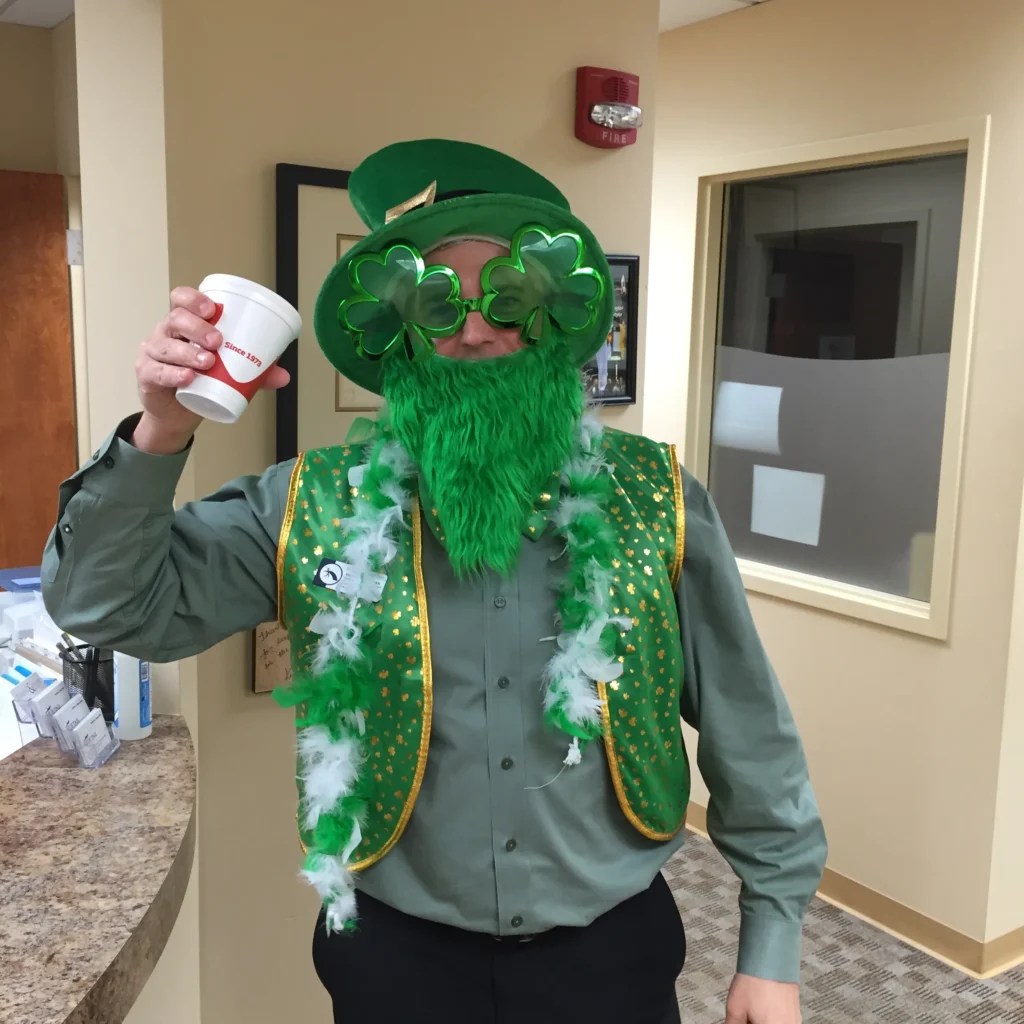
Dr. Mike received a mixed review on his St. Patrick’s Day festivities at school pick-up.

Service Spotlight: What Is the NEUBIE by NeuFit?
The NEUBIE (short for *Neuro-Bio-Electric Stimulator*) is an FDA-cleared electrical stimulation device used by physical therapists and rehabilitation specialists to help improve nerve and muscle function. Unlike traditional electrical therapy tools that use alternating current (AC), the NEUBIE uses pulsed direct current (DC) to more closely mimic the brain’s natural signals to muscles and nerves. This targeted stimulation helps the nervous system “relearn” efficient movement patterns, reduce pain, and support healing.
- How It Works: During treatment, sensors and pads are placed on the skin over affected areas while the patient performs specific movements. The NEUBIE’s direct current encourages communication between the nervous system and muscles, enhancing neuromuscular re-education and circulation to promote recovery.
- Benefits for Diabetic Neuropathy: Diabetic neuropathy occurs when high blood sugar levels damage nerves, especially in the feet and hands, leading to pain, tingling, numbness, or weakness. Traditional treatments often focus on managing symptoms, but recent research suggests that the NEUBIE’s direct current stimulation may offer additional benefit. In a clinical study comparing NEUBIE therapy to standard TENS (a common electrical stimulation), patients treated with the NEUBIE showed **greater improvements in pain relief, sensory function, and nerve signaling**.
- What This Means for You: While individual results vary, many patients with diabetic peripheral neuropathy find that NEUBIE-assisted therapy helps reduce discomfort and supports better nerve and muscle function when used as part of a comprehensive care plan. Always discuss with your healthcare provider whether this type of therapy is appropriate for your specific needs.
Recipe of the Month: Green Power Pesto Bowl
(St. Paddy’s–Approved, Body-Approved)

Ingredients:
- 1 cup uncooked quinoa
- 2 cups water
- 2 cups broccoli florets
- 1 medium zucchini, sliced
- 1 tbsp olive oil
- ½ tsp salt
- ¼ tsp black pepper
- 3 cups fresh spinach
- 1 cup arugula
- 1 cup shelled edamame or green peas (cooked)
- 1 ripe avocado, sliced
- 1 cup cooked grilled chicken or 1 can (15 oz) chickpeas, drained & rinsed
Creamy Green Pesto Sauce:
- 1½ cups fresh basil leaves
- 1 cup fresh spinach
- 2 tbsp pine nuts or walnuts
- 1 small garlic clove
- ¼ cup olive oil
- 2 tbsp fresh lemon juice
- ¼ tsp salt
- 2–4 tbsp water (to thin, as needed)
Instructions:
- Rinse quinoa under cold water. Add quinoa and 2 cups water to a saucepan. Bring to a boil, reduce heat to low, cover, and simmer for 15 minutes. Remove from heat and let sit 5 minutes, then fluff with a fork.
- Preheat oven to 400°F. Toss broccoli and zucchini with olive oil, salt, and pepper. Spread evenly on a baking sheet. Roast for 15–20 minutes, stirring halfway, until tender and lightly browned.
- Add basil, spinach, nuts, garlic, olive oil, lemon juice, and salt to a blender or food processor. Blend until smooth. Add water 1 tablespoon at a time until desired drizzle consistency is reached. Taste and adjust seasoning if needed.
- Divide quinoa between bowls. Top with spinach, arugula, roasted veggies, edamame, avocado, and protein of choice. Drizzle generously with green pesto. Sprinkle with hemp seeds or pumpkin seeds if desired.
Exercise Of The Month
Squats
Stand with your feet shoulder-width apart and arms extended in front of you for balance. Slowly bend your knees and lower your hips as if sitting back into a chair, keeping your chest lifted and knees behind your toes. Push through your heels to return to standing.
3 Sets, 10 Reps.