

Discover the Path to Stronger, Pain-Free Feet and Ankles
Our feet and ankles are the unsung heroes of our mobility, supporting us day in and day out. However, when foot and ankle problems arise, they can significantly impact our quality of life. At iMove PT, our physical therapists play a crucial role in addressing these issues, helping individuals regain mobility and reduce discomfort.
Read on to learn more about common foot and ankle problems, preventative strategies, and how our physical therapists can make a difference in your journey towards better foot and ankle health.

Common Foot and Ankle Problems
Foot and ankle pain can affect our everyday lives and happens to many of us. It might be because we use our feet a lot, get injured, or have some health issues. Let’s talk about what usually makes our feet and ankles hurt and how we can do something about it.
- Plantar Fasciitis: Plantar fasciitis is characterized by pain in the heel, especially in the morning or after prolonged sitting. Strengthening the calf muscles can help alleviate the strain on the plantar fascia. Wearing supportive shoes with proper arch support, maintaining a healthy weight, and avoiding excessive high-impact activities are essential preventive measures.
- Achilles Tendinitis: Achilles tendinitis occurs when the Achilles tendon, the large tendon at the back of your ankle, becomes inflamed. This can result in pain and stiffness in the back of the ankle. Incorporating calf-strengthening exercises, gradually increasing exercise intensity, and wearing appropriate footwear can help reduce the risk of Achilles tendinitis.
- Ankle Sprains: Ankle sprains are common injuries caused by overstretching or tearing the ligaments around the ankle joint. They often lead to pain, swelling, and instability. Practicing balance and proprioception exercises can enhance ankle stability.
- Bunions: Bunions are bony bumps that develop at the base of the big toe, causing pain and deformity. They are often aggravated by wearing ill-fitting shoes. Choosing shoes with a wide toe box that allows proper spacing for the toes is essential. Avoiding high heels and considering orthotic devices for added support can alleviate bunion-related discomfort.
- Flat Feet (Pes Planus): Flat feet result from a lack of arch support, leading to discomfort and instability. This condition can impact walking and overall foot function. Strengthening the muscles in your feet and arches through specific exercises can provide better support. Additionally, using orthotic insoles in your shoes can help maintain arch height.
The Role of iMove PT In Your Recovery
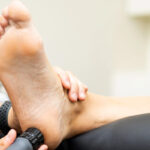
Our highly skilled physical therapists are experts in assessing and addressing foot and ankle problems. We can play a vital role in your journey towards better foot and ankle health by conducting comprehensive evaluations.
These evaluations involve:
- Strength and Range of Motion Testing: We’ll assess the strength of your foot and ankle muscles and evaluate joint mobility.
- Assessment of Gait and Movement Patterns: Our physical therapists analyze your walking and movement patterns to identify any abnormalities or areas of concern.
- Functional Testing: Your physical therapist may perform functional tests to determine how well your feet and ankles perform various activities.
Based on the evaluation findings, we’ll develop a personalized treatment plan tailored to your individual needs. This plan may include:
- Targeted Exercises: Stretching and strengthening exercises targeting the foot and ankle muscles are effective in helping to manage most foot and ankle issues.
- Manual Therapy Techniques: Manual therapy techniques, including joint mobilizations and soft tissue work, can reduce pain and improve ankle and foot mobility.
- Gait Activities: Gait activities are instrumental in addressing any abnormal walking patterns and gait disturbances in individuals with foot and ankle problems.
- Neuromuscular Reeducation: We often incorporate the Neubie to enhance neuromuscular reeducation, helping improve proprioception, balance, and muscle activation in individuals with ankle instability. This technology allows us to more precisely retrain movement patterns and restore stability more efficiently.
- Functional Training: Functional training is used to mimic real-life movements and is essential in restoring functional abilities and preventing recurrent injuries.
Our team is highly skilled at identifying and educating our patients about proper footwear, self-care techniques, and injury prevention strategies, an essential aspect of physical therapy. Education enhances patient compliance and promotes better long-term outcomes.
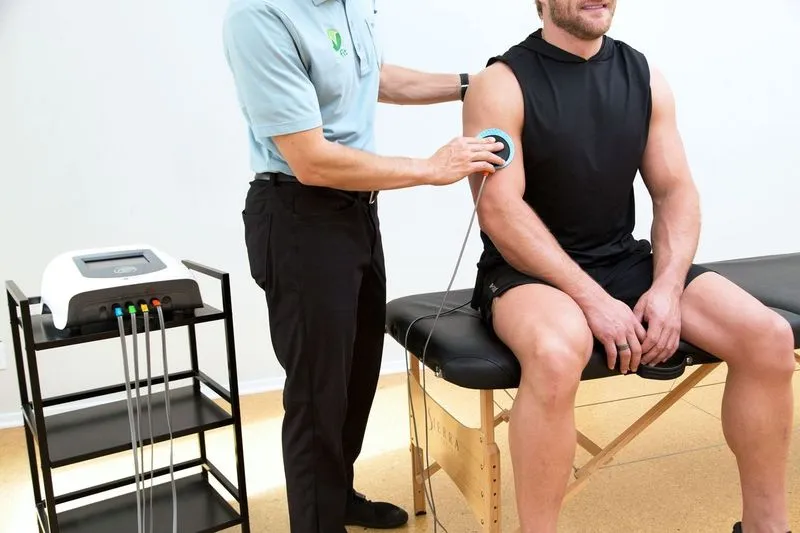

Our Mobile Physical Therapy Services
At iMove PT, we offer a comprehensive range of mobile physical therapy services designed to cater to your unique needs. Our expertise spans orthopedic rehabilitation, sports medicine, neurological rehabilitation, geriatric physical therapy, and pre and post-surgical rehabilitation. By providing targeted, specialized care, we ensure that our clients receive the most effective treatment and support throughout their recovery journey. Our mobile services bring this personalized approach directly to your doorstep, making your physical therapy experience more convenient and accessible than ever before. We understand that every client’s journey to recovery is unique, which is why we prioritize personalized treatment plans, skilled and licensed therapists, flexible scheduling, and ongoing support. At iMove PT, our commitment to your well-being extends beyond treating injuries and conditions.
Empower Your Feet and Ankles Today
Don’t let discomfort or limitations hold you back. Call iMove PT and let one of our skilled therapists guide you to healthier, pain-free feet and ankles. Your well-being is worth every step of the way!
How Physical Therapy Can Help Your Pickleball Injuries
No matter what your skill level or experience with Pickleball, learning how to prepare your body correctly is the key to enjoying the sport. Pickleball is the fastest growing sport in America, and the game is gaining more and more players every day.
Pickleball is an easy and fun way to stay active. The sport is similar to other racquet sports and is often played on modified tennis courts.
Unfortunately, people jump right into the sport without any preparation or training to prepare their bodies for the demands on their muscles, tendons, and joints. At iMove PT, our physical therapists have proven success working with people of all ages to recover from injury and resume whatever sport they enjoy.
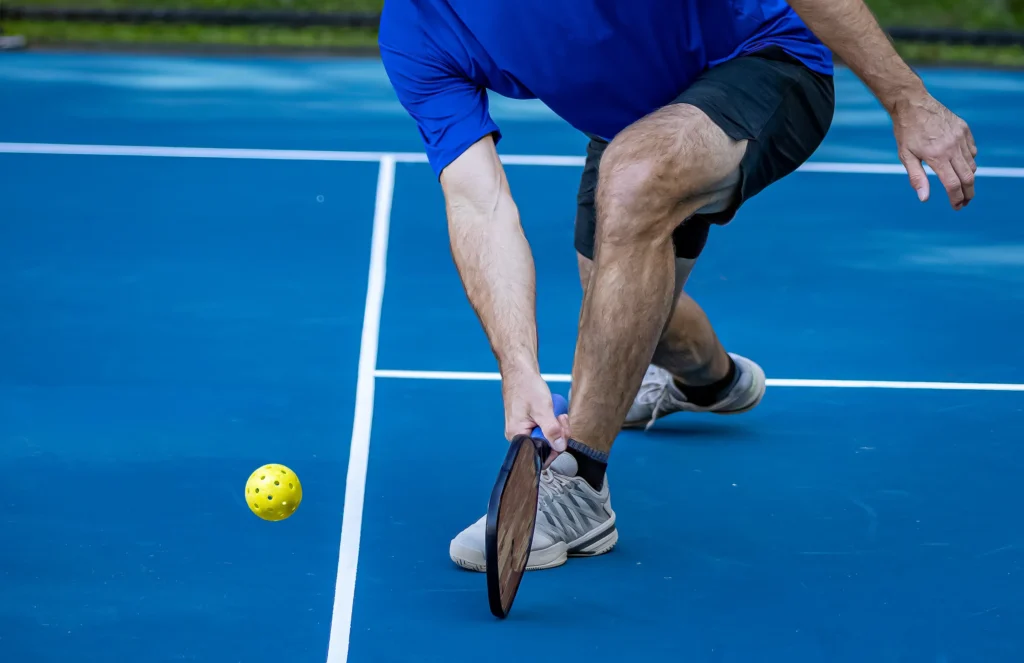
The most common injuries associated with Pickleball
As with any sport, injuries can be a part of playing the game of Pickleball. The sport’s popularity has opened it up to people of all ages. The game is easy to play for beginners and can also meet the requirements of a more competitive player with the possibility of a fast-paced match for singles or doubles. As the popularity grows, so too does the risk of injury.
The sport requires abrupt changes of direction and stopping and starting movements, all of which have been linked to non-contact injuries like sprains and strains. There is also the potential for falling and repetitive movement type injuries, especially to the upper extremities. Another potential risk of injury stems from the lack of preparation and the age of the deconditioned athletes.
The most common injuries in Pickleball include:
- Ankle sprains
- Achilles tendon injuries and inflammation
- Patella (knee cap) tendinopathies
- Hamstring, adductor (inner thigh), or quadriceps muscle strains
- Shoulder impingements and rotator cuff injuries
- Elbow tendonitis (Tennis elbow)
- Wrist fractures from falls
What to expect at physical therapy sessions
Physical therapy should start immediately following most injuries to ensure the fastest recovery possible. A physical therapist with experience treating sports-related injuries will conduct a thorough evaluation to determine the injury’s severity and identify any other factor that may affect your ability to recover promptly.
Next, your therapist at iMove PT will create a targeted, individualized treatment plan for you to promote an accelerated recovery plan and prevent future injuries associated with Pickleball.
For example, your physical therapist will guide you through exercises designed to help the injury and return to your pre-injury abilities. We will start with pain management and restoring mobility to the injured area.
Request an appointment today!
At iMove PT, our therapists are experts at treating Pickleball-related injuries. We have proven success with treating athletes of all skill levels and ages. Call today to schedule an appointment with one of our specialists!
New Leadership, Same Commitment
Welcome Dr. Lauren Luthans!
This month, we’re excited to shine the spotlight on Dr. Lauren Luthans, who is stepping into an exciting new role as the owner of our Chesterfield Outpatient Clinic. As of April 29, Dr. Luthans will officially take over the clinic, continuing the high-quality care and patient-centered approach our community has come to expect. She is also proud to be the 7th iMove PT Franchisee, marking an exciting milestone for both her and the iMove team.
While this is a new leadership role, Dr. Luthans is already a familiar face in the clinic, having been part of the team since February 2025. Her dedication to patient care and commitment to excellence have already made a meaningful impact.
Dr. Luthans brings a wealth of experience and advanced training to her new position. She earned her Bachelor’s degree in Health Science from Bradley University before going on to complete her Doctorate of Physical Therapy in 2012. Committed to furthering her expertise, she completed a Manual Therapy residency and earned her Doctorate of Manual Therapy through the Ola Grimsby Institute. Throughout her career, Lauren has worked across a variety of settings, including inpatient, outpatient, skilled nursing facilities, and acute rehab, ultimately discovering her passion in outpatient care.
Outside the clinic, Lauren enjoys spending time with her husband, Garrett, their two daughters, Adrienne and Natalie, and their dogs. She stays busy supporting her kids’ many activities and loves traveling and exploring new restaurants. A proud St. Louis native, she enjoys everything her city has to offer – from the Zoo to cheering on the Cardinals.
Please join us in congratulating Dr. Luthans on this exciting new chapter and welcoming her in her expanded role!

Recipe of the Month: Protein Salad Bowl

Ingredients:
- 2 cups fresh spinach or mixed greens
- 1 grilled chicken breast
- ½ avocado, sliced
- ½ cup cherry tomatoes, halved
- ½ cucumber, sliced
- 1 tbsp almonds or sunflower seeds
- 1 tbsp olive oil
- 1 tbsp lemon juice
- Salt & pepper (to taste)
Instructions:
- Season with salt, pepper, and a little olive oil.
- Grill or pan-cook ~5–7 minutes per side until fully cooked. Let it rest, then slice.
- Add spinach or greens to a bowl.
- Layer on chicken, avocado, tomatoes, cucumber, and nuts.,Whisk olive oil + lemon juice + salt + pepper.
- Drizzle dressing over the salad and mix lightly.
Exercise Of The Month
Double Knees To Chest
Start on your back with your knees bent. Slowly bring both knees to your chest. Grasp your knees. Hold for 30 seconds and repeat.
1 Set, 3 Reps
Sources
- https://www.jospt.org/doi/full/10.2519/jospt.2021.0504
- https://journals.lww.com/acsm-csmr/fulltext/2019/06000/ankle_sprains__evaluation,_rehabilitation,_and.7.aspx
- https://www.ncbi.nlm.nih.gov/pmc/articles/PMC8696890/
- https://www.ncbi.nlm.nih.gov/pmc/articles/PMC5241541/
- https://www.ncbi.nlm.nih.gov/pmc/articles/PMC6913863/
- https://journals.lww.com/acsm-csmr/Fulltext/2020/10000/Pickleball__Review_and_Clinical_Recommendations.8.aspx?context=LatestArticles
- https://www.sciencedirect.com/science/article/abs/pii/S0736467919307991
- https://www.feastingathome.com/healthy-vegan-collard-green-wraps/