

A New Approach to Pain and Movement with the Neubie
When pain or stiffness starts limiting your day-to-day life, you want to find a solution that works. Sometimes, you can manage your symptoms with targeted exercises, manual therapy, and other tried-and-true PT techniques.
But when these methods don’t get you the results you’re looking for, it may be time to look a little deeper–namely, at your nervous system.
That’s when the iMove PT team might recommend incorporating the Neubie into your treatment plan. This unique technology offers a new approach to rehabilitation that helps your body relearn healthy movement patterns while reducing pain.
What Is the Neubie?
Neubie stands for Neuro-Bio-Electric Stimulator. It’s a noninvasive device that uses direct current electrical stimulation to improve muscle function and reduce pain.
Unlike traditional electrical stimulation (often called TENS), which mainly focuses on symptom relief, the Neubie targets how your brain and muscles communicate to help reset how your body moves.
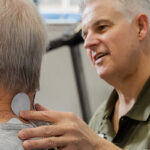
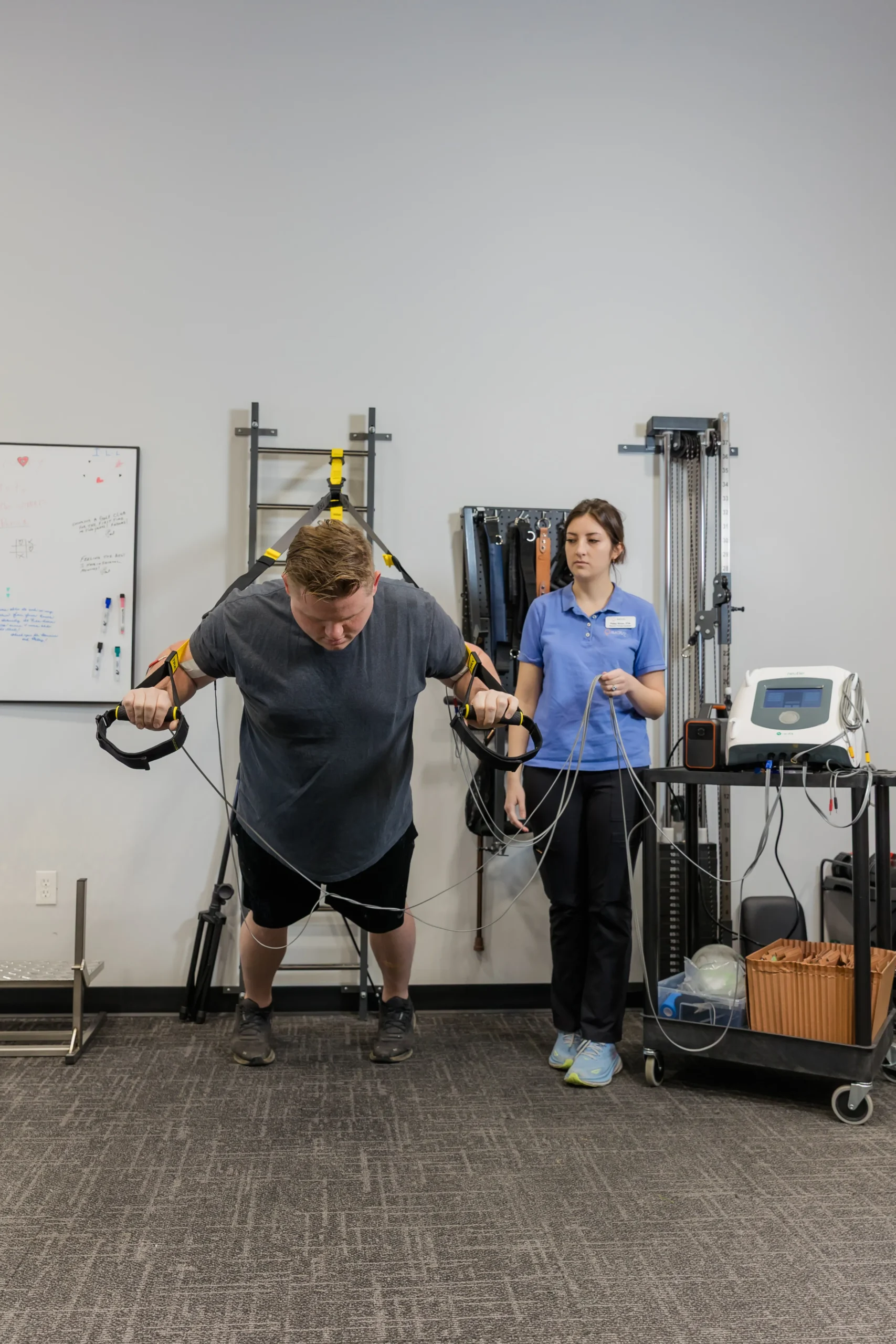
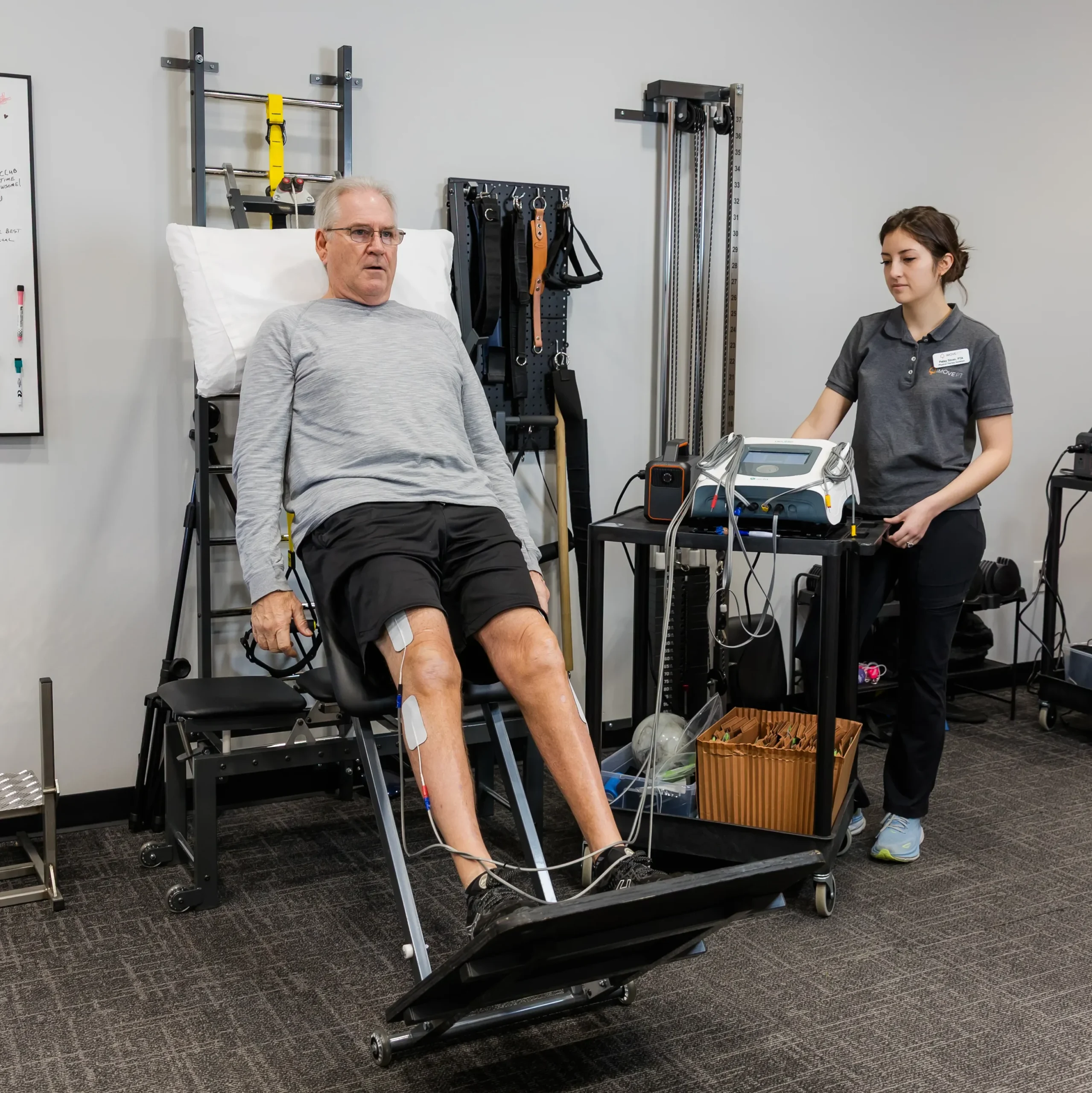
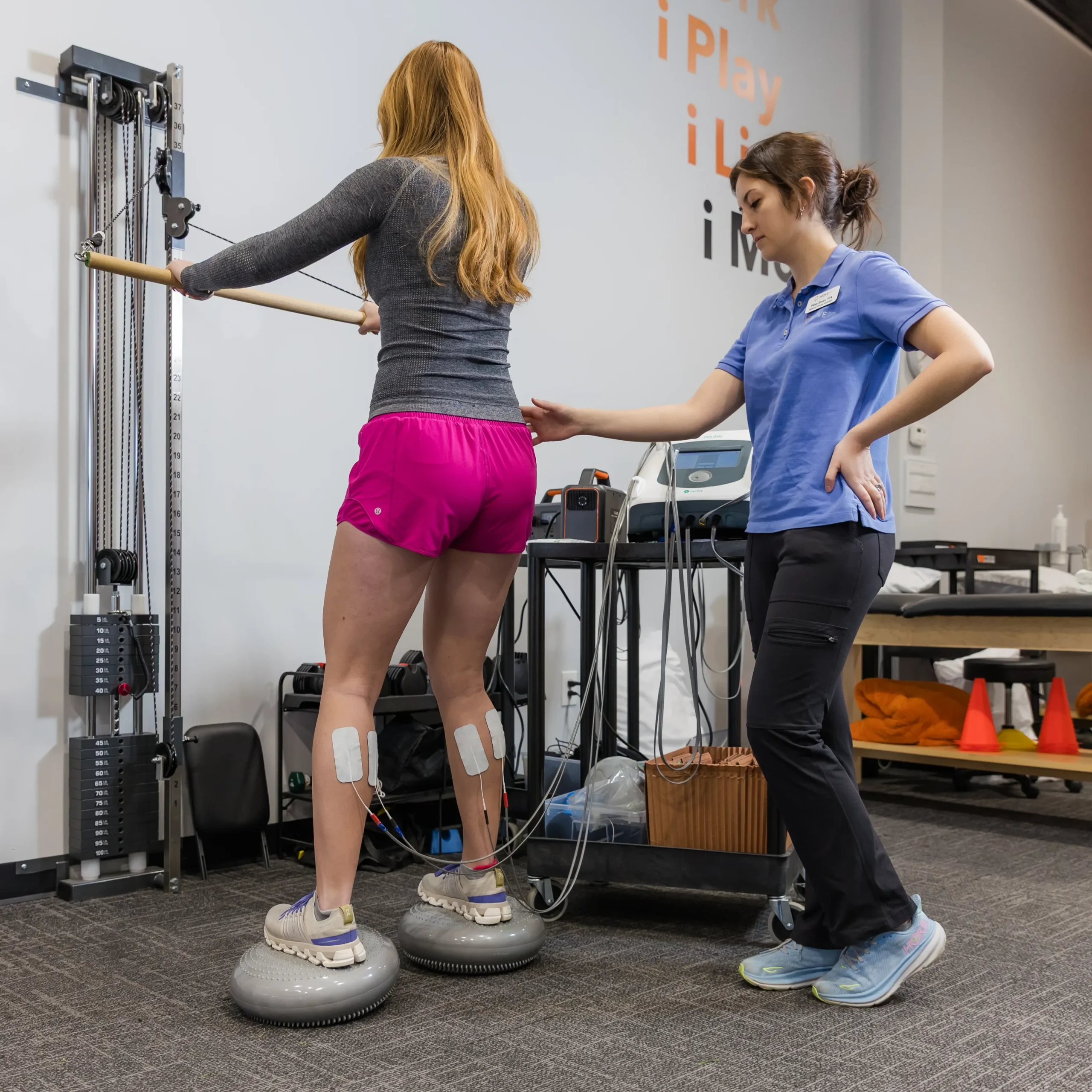
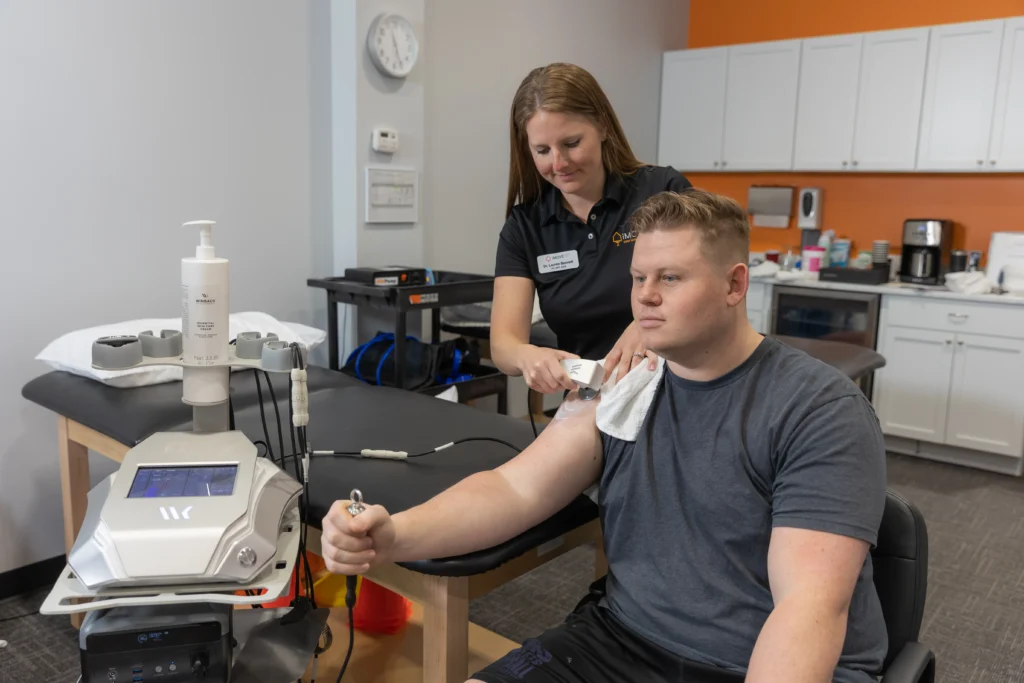
During a session, we’ll place adhesive pads over the skin to target specific muscles. We’ll then run a gentle electric current into those muscles as you perform guided movements, helping to:
- Re-educate inhibited muscles
- Calm overactive or tight muscles
- Improve coordination and control
Although the idea of electrical stimulation can be alarming, most patients describe the sensation as mild tingling or pulsing. Some also experience strong but otherwise comfortable muscle contractions.
Why Is This Important for Recovery?
One thing that makes the Neubie stand out is that it’s not a passive treatment. You’re actively involved the entire time.
Pain and injury often disrupt normal movement patterns. Muscles may stop firing properly, while others compensate and become tight or overworked. These issues can make recovery more challenging than it would be otherwise. But by working with your nervous system and asking you to move during treatment, the Neubie can help you overcome these concerns more effectively.
This is important for a few reasons. One, movement is key to long-term function recovery, and the brain learns best through active repetition. Furthermore, combining stimulation with exercise leads to better carryover into daily life.
Key Benefits of the Neubie
The Neubie helps support recovery, movement quality, and muscle performance by combining electrical stimulation with guided exercise and functional movement training.
Pain Reduction
Electrical stimulation can decrease pain signals and improve comfort during movement.
Improved Muscle Activation
Helps wake up muscles that are not firing well after injury or surgery.
Faster Strength Gains
Encourages more efficient muscle contractions during exercise.
Better Movement Patterns
Reinforces proper mechanics, which lowers strain on joints.
Enhanced Circulation
Supports healing by increasing blood flow to affected areas.
Research shows that pairing electrical stimulation with active exercise can improve strength, coordination, and functional outcomes more effectively than exercise alone.
Three Ways We Might Use the Neubie in a PT Plan
At iMove PT, we incorporate the Neubie into treatment programs in different ways based on your goals, symptoms, and movement patterns. Here are a few examples:
Knee Replacement Rehab
After a knee replacement, many people notice their leg feels weak and difficult to control. During treatment, the Neubie is applied to the thigh while you perform guided movements, such as leg lifts or sit-to-stands. This helps the muscle re-engage more effectively, making everyday activities like walking and climbing stairs feel more stable.
Chronic Lower Back Pain
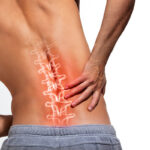
For someone dealing with ongoing low back pain, movement often feels stiff and guarded. We’ll apply the Neubie over tight or sensitive areas while the patient performs gentle, controlled exercises. Over time, this helps reduce tension and allows the body to move more naturally with less discomfort.
Sports Injury Recovery
An athlete recovering from an injury may struggle with strength and coordination during higher-level movements. With the Neubie in place, they perform exercises like squats or lunges while focusing on proper form. This approach helps retrain muscle timing and control, supporting a safer and more confident return to activity.
Ready to Move Better?
If pain, weakness, or limited mobility has been holding you back, you have options that go beyond usual care, including targeted nervous system activation with the Nuebie. At iMove PT, we combine this cutting-edge treatment with one-on-one, personalized care. Let’s help you move with confidence again. Schedule your evaluation today and see if Neubie therapy is right for you.
What Is Winback TECAR Therapy?
Your body already knows how to heal – sometimes it just needs the right support. That’s where Winback TECAR Therapy comes in. This innovative treatment combines gentle radiofrequency energy with painless muscle and nerve stimulation to help reduce pain, improve mobility, and support your body’s natural recovery process.
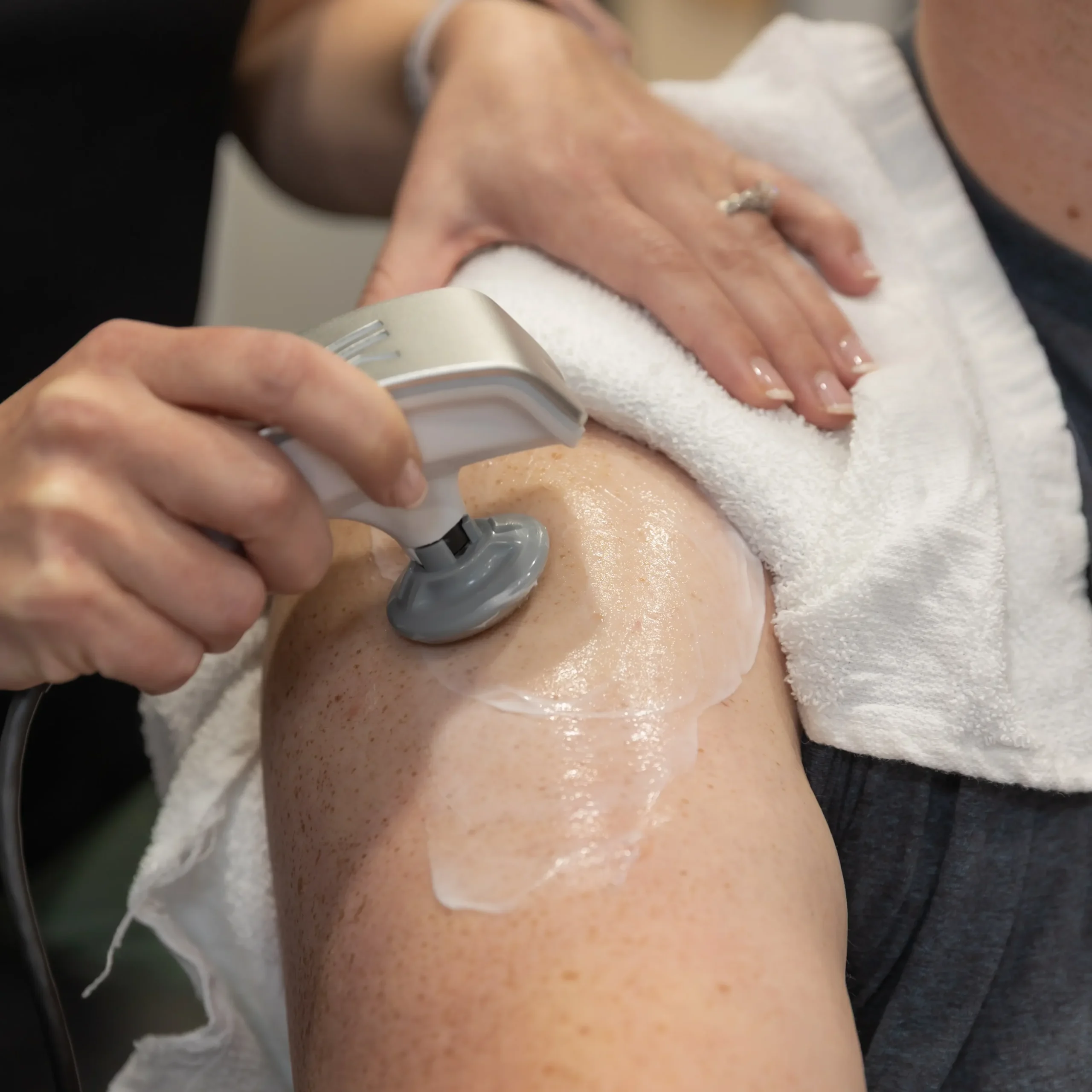
TECAR therapy works by creating a soothing warmth deep within the tissues. This gentle heating effect helps improve circulation and local metabolism, encouraging the body to repair itself more efficiently. Many patients notice muscles feel looser, joints move easier, and stiffness decreases after treatment.
Winback also uses two additional technologies to enhance results. Hi-EMS helps “wake up” muscles that may be weak or difficult to activate after injury, surgery, or long periods of pain. This can help improve muscle engagement and support better movement patterns. Hi-TENS works to calm pain signals, providing quick, drug-free relief that many patients find comforting during and after treatment.
One of the biggest benefits of Winback TECAR Therapy is how relaxing the sessions feel. Treatments are quiet, comfortable, and non-invasive. Most people describe the sensation as a gentle warmth that melts away tension and helps them move more freely almost immediately.
Sessions typically last just 10-20 minutes, and there’s no downtime afterward, meaning you can return to your normal activities right away. Whether you’re recovering from an injury, dealing with chronic pain, or simply looking to move better, Winback TECAR Therapy may be a helpful addition to your rehabilitation plan.

Grilled Chicken & Sweet Potato Bowl
A balanced, protein-packed meal designed to support muscle recovery, reduce inflammation, and keep your energy steady throughout the day.
Ingredients
- 2 boneless chicken breasts
- 2 medium sweet potatoes, cubed
- 1 cup greens
- 1/2 avocado, sliced
- 1 tbsp olive oil
- 1 tsp paprika
- 1/2 tsp garlic powder
- Salt & pepper to taste
Instructions
- Preheat oven to 400°F. Toss sweet potatoes with olive oil, salt, and pepper, then roast for 20–25 minutes.
- Season chicken with paprika, garlic powder, salt, and pepper.
- Grill or pan-cook chicken for 6–7 minutes per side until fully cooked.
- Assemble bowls with sweet potatoes, greens, chicken, broccoli, and avocado.
Our Mobile Physical Therapy Services
At iMove PT, we offer a comprehensive range of mobile physical therapy services designed to support your unique recovery journey. Our expertise includes orthopedic rehabilitation, sports medicine, neurological rehabilitation, geriatric physical therapy, and pre- and post-surgical care — all delivered directly to your doorstep for a more convenient and personalized experience.
Every treatment plan is tailored to your goals, with skilled licensed therapists, flexible scheduling, and ongoing support that extends beyond simply treating injuries or conditions.
Seated Leg Extension
The seated leg extension is a simple but effective exercise designed to improve quadriceps strength, support knee stability, and enhance lower body control. This movement can help build muscular endurance while promoting healthier movement patterns for everyday activities.
How to Perform
- Sit up straight in a chair with your feet flat on the floor.
- Slowly extend one leg out in front of you until it’s straight.
- Squeeze your thigh muscle at the top of the movement.
- Hold briefly, then lower back down with control.
- Alternate legs or complete all reps on one side before switching.
Exercise Details
- Sets: 3
- Repetitions: 10 reps each leg
- Equipment: Chair
- Focus: Strength, control, and knee stability