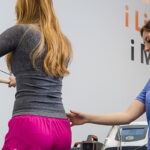


Don’t Ignore Your Lower Back Pain!
Are you someone who pushes through those mysterious aches and pains that crop up occasionally? Do you just assume your lower back pain will get better on its own? While this can work out, it’s not a guarantee. If you’re struggling with back pain, make an appointment with iMove PT and seek the treatment you deserve.
Lower back pain is one of the most common musculoskeletal ailments globally, with an estimated 80% of people experiencing it at some point. But just because it’s a common experience doesn’t mean it can’t cause complications: around 23% of the world’s population suffers from chronic back pain, pain that lingers for longer than three months.
The good news is that physical therapy can resolve most cases of back pain through techniques like manual therapy and therapeutic exercise — no surgery or dangerous pain medications are required. Even better, our therapists can often help you improve your back strength and mobility so your back functions better than before your injury.
But to get to that point, you have to take the first step and make an appointment with the physical therapists at iMove PT.
Need a little extra push? Keep reading to learn why you shouldn’t ignore lower back pain.

Three Reasons to Seek Treatment for Lower Back Pain
Lower back pain is one of the most common musculoskeletal conditions, but that doesn’t mean you should ignore it. Addressing symptoms early can help prevent long-term limitations and get you back to doing what you enjoy.
It Could Get Worse
People develop lower back pain for all kinds of reasons. If you suffered a sudden injury, your pain might resolve on its own. However, many cases of back pain stem from prolonged sitting, poor posture, and weakened core muscles that no longer provide adequate support for the spine.
These issues place extra strain on the lower back and often won’t fully resolve until the underlying muscle weakness and movement habits are addressed.
It Could Signal an Underlying Condition
Not all back pain is caused by injury or posture-related problems. Conditions such as spinal fractures, osteoarthritis, and ankylosing spondylitis can all contribute to persistent back pain.
If left untreated, symptoms may worsen over time and lead to reduced mobility or additional complications. Our physical therapists can help identify the source of your pain, recommend appropriate treatment options, and help you manage chronic conditions while slowing their progression.
You Deserve a Pain-Free Life
Back pain may be common, but it can also be incredibly limiting. Persistent discomfort often keeps people from staying active, which can worsen symptoms and delay recovery.
Rather than waiting and hoping the pain disappears, physical therapy helps you take a proactive approach. We’ll provide the tools to improve strength, correct posture, and restore movement so you can experience lasting relief and return to the activities you enjoy.
How Does Physical Therapy Help with Back Pain?
When it comes to lower back pain, movement is often the best medicine. Research consistently shows that regular exercise can reduce pain, improve function, and help prevent future episodes.
The challenge is that exercise may feel impossible when you’re hurting. That’s where physical therapy makes a difference—we make safe, purposeful movement the center of your treatment plan.

How We Help You Find Relief
Once you’ve decided not to ignore your back pain, the team at iMove PT will create a personalized plan designed to help you move better, feel stronger, and return to your daily activities.
Find the Cause
Our comprehensive physical assessments help us identify exactly why you’re experiencing back pain, allowing us to develop a treatment plan tailored to your specific needs.
Manage Pain
We use a variety of drug-free treatment techniques to reduce pain and improve comfort. Manual therapy, gentle mobility work, and therapeutic modalities can help you begin moving again with confidence.
Get Moving
We’ll develop an exercise program based on your goals, abilities, and interests. We’ll also help strengthen your core muscles to provide better support for your spine and improve overall function.
Prevent Future Pain
Beyond relieving current symptoms, we’ll help you avoid future episodes of back pain through education, proper lifting mechanics, posture training, and ergonomic recommendations for your home or workplace.
Today’s the Day to Stop Ignoring Your Back Pain!
Want to take action? The first step is simple: call iMove PT to schedule an initial consultation. Then wave your back pain goodbye as you embark on a journey to long-term relief!

Staff Spotlight
Dr. Ellen Brause | PT, DPT
I’ve been practicing as a PT in the geriatric and neurological populations since graduating from Maryville University in 2020. At school I met my husband Brendan and we stayed in the St. Charles area after graduation. I work part time to stay home with our growing family. We have a daughter Leah, a son Ben, and a new baby coming in August. I enjoy baking, lifting weights or walking outside, reading and spending slow weekends with my husband and kids.
Sitting Is the New Smoking
Think about your typical day. How much of it is spent sitting? If you’re like most people, the answer is—a lot. We sit at our desks for work. We sit in the car to run errands. We sit on the couch to watch TV at night.
All this sitting is having a big impact on our health. In addition to contributing to back pain, prolonged sitting raises our risk of heart disease, diabetes, and even cancer.
Fortunately, you don’t have to train like an Olympic athlete to counteract the negative effects of sitting—all it takes is a few simple tweaks to your day.

3 Simple Ways to Stay Active
Incorporating more movement into your daily routine doesn’t have to be complicated. Start with these simple strategies.
Take Frequent Breaks
If you have a desk job, set a timer to remind you to get up every 30–60 minutes to move around. Take a few minutes to grab some water, walk around the office, or stretch.
Stretch While You Watch TV
If you love to relax in front of the TV, incorporate some stretches as you watch your favorite shows.
Pick Up a New Hobby
Movement-based leisure activities are a great way to incorporate movement into your day, and you aren’t limited to sports, either. Gardening, dance classes, and walking groups are all excellent options.
Ready to Move More?
Want to learn more about the risks of sitting and how to avoid them? Schedule an appointment with iMove PT today and let our team help you create healthy movement habits that last.
Schedule an Appointment
High-Protein Buffalo Chicken Bowl
Looking for an easy way to boost your protein intake? This Buffalo Chicken Bowl combines lean protein, fresh vegetables, and cottage cheese for a satisfying meal that supports muscle recovery and helps keep you feeling full longer.
Ingredients
- 2 cups cooked shredded chicken breast
- 1 cup low-fat cottage cheese
- 2 cups chopped romaine lettuce
- 1 cup cherry tomatoes, halved
- 1 cup cucumber, diced
- 1/2 avocado, sliced
- 2 tbsp buffalo sauce
- 1 tbsp ranch seasoning
- Salt & pepper to taste
Instructions
- Toss the shredded chicken with buffalo sauce until evenly coated.
- Divide the lettuce, cucumber, and tomatoes between two serving bowls.
- Add the buffalo chicken and cottage cheese to each bowl.
- Top with avocado slices and sprinkle with ranch seasoning.
- Season with salt and pepper to taste and serve immediately.
Our Mobile Physical Therapy Services
At iMove PT, we offer a comprehensive range of mobile physical therapy services designed to support your unique recovery journey. Our expertise includes orthopedic rehabilitation, sports medicine, neurological rehabilitation, geriatric physical therapy, and pre- and post-surgical care — all delivered directly to your doorstep for a more convenient and personalized experience.
Every treatment plan is tailored to your goals, with skilled licensed therapists, flexible scheduling, and ongoing support that extends beyond simply treating injuries or conditions.
Standing Lumbar Self Traction
Standing lumbar self traction is a gentle mobility exercise that helps reduce pressure through the lower back while promoting relaxation and improved movement. By supporting your body weight through your arms and allowing the hips to drop slightly, you can create a mild decompression effect through the lumbar spine that may help ease stiffness and discomfort.
How to Perform
- Stand in front of a sturdy counter or bench positioned about waist height.
- Place both hands firmly on the surface for support.
- Slowly bend your knees while leaning some of your body weight into your arms.
- Allow your hips to gently drop downward until you feel a comfortable stretch in your lower back.
- Hold the position for 30 seconds, then slowly return to standing.
- Repeat for the prescribed number of sets.
Exercise Details
- Sets: 3
- Hold: 30 Seconds
- Equipment: Counter or Sturdy Bench
- Focus: Lower Back Mobility
- Goal: Gentle Lumbar Decompression