

Unfreeze Your Shoulder; Reclaim Your Active Life
How Physical Therapy Can Help You Manage Frozen Shoulder
We recently worked with a patient who came to us after struggling with shoulder pain for several months. While she hoped it would go away on its own, it only got worse over time. When she visited us, she was also struggling to lift her shoulder overhead or reach behind her back.
This patient had developed adhesive capsulitis, more commonly known as frozen shoulder. It gets that name from the fact that the condition causes the shoulder to “freeze up” after a period of intense pain.
A frozen shoulder will eventually “unfreeze,” but that process can take anywhere from 1-3 years. Fortunately, the team at iMove PT can help you manage your symptoms and facilitate a more efficient recovery.

What Causes Frozen Shoulder?
The condition develops when the capsule of connective tissue that wraps around your shoulder thickens and tightens, restricting the joint. However, researchers aren’t entirely clear why this happens. Certain factors can increase your risk:
- Being a woman between the age of 40 and 60 years old
- Having certain diseases, including diabetes, thyroid conditions, or cardiovascular disease
- Immobilizing your shoulder after an injury or surgery
Understanding the Three Phases Of Frozen Shoulder
One reason frozen shoulder recovery can take so long is that the condition progresses through three distinct phases, each with its own set of symptoms and concerns. Here’s what you need to know about each one:
Freezing Phase
This initial stage is marked by increasing pain and stiffness in the shoulder. During this phase, we focus on maintaining your shoulder’s range of motion to help reduce stiffness and improve comfort.
Duration
Anywhere from six weeks to nine months
Symptoms
- A gradual onset of pain that worsens with movement
- Increased stiffness in the shoulder
- Pain is often worse at night, disrupting sleep
Frozen Phase
The frozen stage involves less pain but greater stiffness, significantly restricting your shoulder’s movement. We’ll focus on improving your shoulder’s mobility using stretching or manual therapy techniques.
Duration
Anywhere from four to six months
Symptoms
- Decreased pain compared to the freezing stage
- Significant stiffness and difficulty moving the shoulder
- Everyday movements like reaching overhead or behind the back become challenging
Thawing Phase
In the final stage, your pain decreases, and your shoulder’s range of motion gradually returns. However, it’s important to continue physical therapy to ensure you make a full recovery.
Duration
Anywhere from six months to two years
Symptoms
- Gradual improvement in mobility as scar tissue around the shoulder capsule begins to loosen and break down
- Pain continues to decrease
Ready to Start Moving More Comfortably?
If shoulder pain and stiffness are making everyday movements more difficult, physical therapy can help you understand what may be contributing to your symptoms and develop a plan tailored to your needs.
Schedule an Appointment →Physical Therapy and Frozen Shoulder: What You Need to Know
Physical therapy plays an essential role in helping you manage frozen shoulder symptoms at all three stages. Our team will work with you to develop a comprehensive treatment program, pulling from a range of different techniques based on your current symptoms:
Acute Pain Management
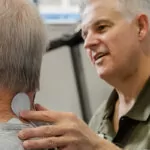
We’ll help you manage shoulder pain (especially in the freezing phase) with techniques such as dry needling, Kinesio taping, hot and cold therapy, and more.
Manual Therapy
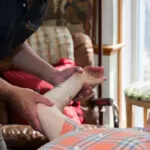
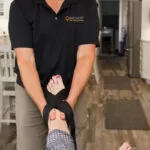
Various hands-on techniques can gently mobilize the shoulder joint, improve joint capsule movement, and reduce pain.
Mobility Exercises
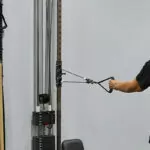
Targeted exercises and techniques help improve your shoulder’s range of motion in all directions, gradually restoring your ability to reach, lift, and rotate your arm.
Strengthening Exercises
Strengthening the muscles surrounding the shoulder joint enhances stability and supports improved function.
Management Strategies
Understanding frozen shoulder is an integral part of managing it. We’ll help you navigate the difficulties of the condition, including identifying which stage you’re in and providing you with home exercises to help alleviate your symptoms.

Ready to Break Free From the Icy Grip of Frozen Shoulder?
If you suspect you have frozen shoulder, schedule an appointment at iMove PT. Physical therapy is essential for managing the condition in all three phases, and the earlier you can begin treatment, the better your outcomes will be. Our team is here to help you manage pain, restore mobility, and understand your shoulder’s movement patterns.
Don’t let frozen shoulder hold you back. Call us today to schedule your initial evaluation!
Schedule Your Initial Evaluation →
Innovative Approaches to Physical Wellness this Thanksgiving Season
Thanksgiving is more than just a day of feasting; it’s a time to come together and celebrate what we’re thankful for. While traditional advice often emphasizes the basics, let’s elevate your approach to physical well-being this season with these cutting-edge tips:
Elevate Your Approach to Physical Well-Being
Thanksgiving is more than a day of feasting. It is an opportunity to prioritize movement, wellness, and the habits that help you feel your best.
Dynamic Warm-Up Before the Turkey Trot
If you’re planning a Thanksgiving morning run or family games, forget old-school stretching. Use a dynamic warm-up to prep your muscles and boost your range of motion.
Text Neck Prevention
As we catch up on social media or text friends and family Thanksgiving wishes, “text neck” can be a real issue. Counteract this by sitting tall or not at all and doing neck stretches every hour.
Mindfulness Through Movement
Instead of sitting to meditate or relax, try combining mindfulness with gentle movements like Tai Chi or a light stroll through the neighborhood.
Embrace Your Health This Thanksgiving
Embrace your health by prioritizing your physical and mental well-being to ensure you have the best Thanksgiving yet! 🦃

Creamy Thai Carrot & Sweet Potato Soup
Ingredients
- 1 tbsp coconut oil
- 2 cups chopped yellow/sweet onion
- 2 cloves garlic, minced
- 1 tbsp minced fresh ginger
- 2 tbsp red curry paste
- 4 cups low-sodium vegetable broth, plus more if needed
- ¼ cup raw almond butter or peanut butter
- 3 cups diced peeled carrots
- 3 cups diced peeled sweet potatoes
- ½ tsp fine-grain sea salt
- Freshly ground black pepper
- Up to ¼ tsp cayenne pepper (optional, if you like spice)
Minced fresh cilantro
Fresh lime juice
Directions
- In a large pot, melt coconut oil over medium heat. Add onion, garlic, and ginger and sauté for 5-6 minutes until onion is translucent. Stir in curry paste.
- In a small bowl, whisk together some of the broth with almond butter until smooth. Add mixture to pot, along with carrots, sweet potatoes, salt, and remaining vegetable broth. Stir until combined.
- Bring soup to a low boil over medium-high heat and then reduce heat to medium-low. Cover and simmer for 15-20 minutes, until potatoes and carrots are fork-tender.
- Ladle soup carefully into a blender. You will likely have to do this in a couple of batches, depending on the size of your blender (never fill your blender past the maximum fill line).
- Being careful to avoid hot steam from the lid, blend on low and slowly increase speed until soup is completely smooth. Alternatively, you can use an immersion blender and blend the soup directly in the pot.
- Season with salt and black pepper to taste. For more spice, add ¼ tsp cayenne pepper, and blend again.
- Transfer soup back to pot and reheat if necessary. If desired, you can thin soup out with a bit more broth if it’s too thick for your preference.
- Ladle soup into bowls and top with minced cilantro and a squeeze of lime juice.
🍲 A Bowl Full of Comfort
Creamy sweet potatoes and carrots pair with fragrant ginger, garlic, red curry paste, and fresh lime for a cozy soup with plenty of color and flavor.

Spotlight
Did You Know Walking Speed is the “6th Vital Sign”?
When you visit a doctor, they check your blood pressure, heart rate, temperature, respiration rate, and oxygen levels. But in physical therapy and medical research, there is another critical number we measure: your walking speed.
Why Gait Speed Matters So Much
Unlike simple pulse or blood pressure readings, walking requires your entire body to work in harmony—your brain, nerves, muscle strength, joint mobility, and balance system must all fire together. Because it brings so many body systems together, medical studies show that walking speed (gait velocity) is a powerful predictor of:
Overall Mobility & Independence: A brisk, steady pace allows you to safely cross busy crosswalks, navigate crowded spaces, and keep up with daily activities.
Fall Risk: A subtle decrease in walking speed often serves as an early warning sign of balance issues or muscle weakness long before a fall happens.
Longevity & Energy: Faster, more efficient walking directly correlates with higher physical endurance and lower rates of hospitalization.
The Good News: Walking Speed Can Be Improved!
A drop in walking pace is not an inevitable part of getting older. In fact, a tiny increase in your walking speed—as little as 0.2 mph—can make a massive difference in your safety, energy, and overall confidence on your feet.
Your Mobility Matters
How Is Your Pace? We Can Help!
If you’ve noticed yourself slowing down, feeling unsteady when crossing the street, or struggling to keep pace with loved ones, don’t wait for a trip or fall to take action. Reach out to our team today to schedule a comprehensive gait and balance evaluation! We will pinpoint the exact areas—whether it’s ankle strength, posture, or balance—and build a personalized plan to help you regain your speed, confidence, and independence.
Schedule an AppointmentPRONE ARM REACH BACK
How to Perform
- Lie face down on an exercise table with your upper chest supported.
- Let both arms hang straight down off the sides of the table while holding a light weight in each hand.
- Keep your palms facing inward and your arms close to your body.
- Slowly raise your arms backward toward your hips in a sweeping motion.
- Squeeze your shoulder blades together at the top of the movement.
- Lower your arms back down slowly and with control.
Exercise Details
- Sets: 3
- Reps: 10
- Equipment: Exercise Table & Light Weights
- Focus: Shoulders & Rear Delts
- Goal: Strengthen the Rear Shoulders & Improve Shoulder Control