

Stop Guessing and Start Healing
Why Personalized Treatment of Back Pain Is Key to Finding Relief
If there’s anything we’ve learned at iMove PT, it’s that back pain doesn’t look the same for everyone. Some people feel it after sitting at a desk too long. Others struggle with sharp pain when lifting or bending over. And some experience a dull but persistent ache that affects everything from walking to sleeping.
Unfortunately, back pain can dramatically impact your quality of life, no matter how it manifests. And if you want effective treatment, a one-size-fits-all approach simply doesn’t work. That’s why our team focuses on one-on-one, personalized treatment, both in our clinic and through our mobile PT services.
Why Personalized Treatment Matters for Back Pain
Your spine is a complex structure made up of bones, discs, muscles, and nerves. Back pain can stem from many different issues, including:
- Muscle strain
- Herniated discs
- Arthritis
- Poor posture
- Nerve compression
- Previous injuries
While all of these conditions cause back pain, they require different treatment approaches. Our individualized, one-on-one treatment ensures that each person gets care based on their body rather than a general protocol. This is key to reducing pain, improving mobility, and preventing the problem from returning.
How We Approach Back Pain Treatment
Step 1: An In-Depth Assessment
Because we tailor your treatment to your unique situation, every care plan starts with a comprehensive evaluation. This allows us to gather all the necessary information to understand why your back hurts.
Our evaluations typically include:
- A complete health history review
- Movement and posture assessments
- Balance and strength testing
- Gait and mobility analysis
- Range of motion checks
- Pain behavior assessment
Step 2: Your Personalized Treatment Plan
Once we identify the root cause of your pain, we’ll tailor a treatment plan using the most effective techniques for your specific needs. With a variety of options available, we’re committed to providing care that’s personalized and focused on your comfort and recovery.
What Treatment Techniques Do We Use For Back Pain?
- Education on body mechanics and self-care
- Manual therapy (hands-on treatment to reduce stiffness or tight muscles)
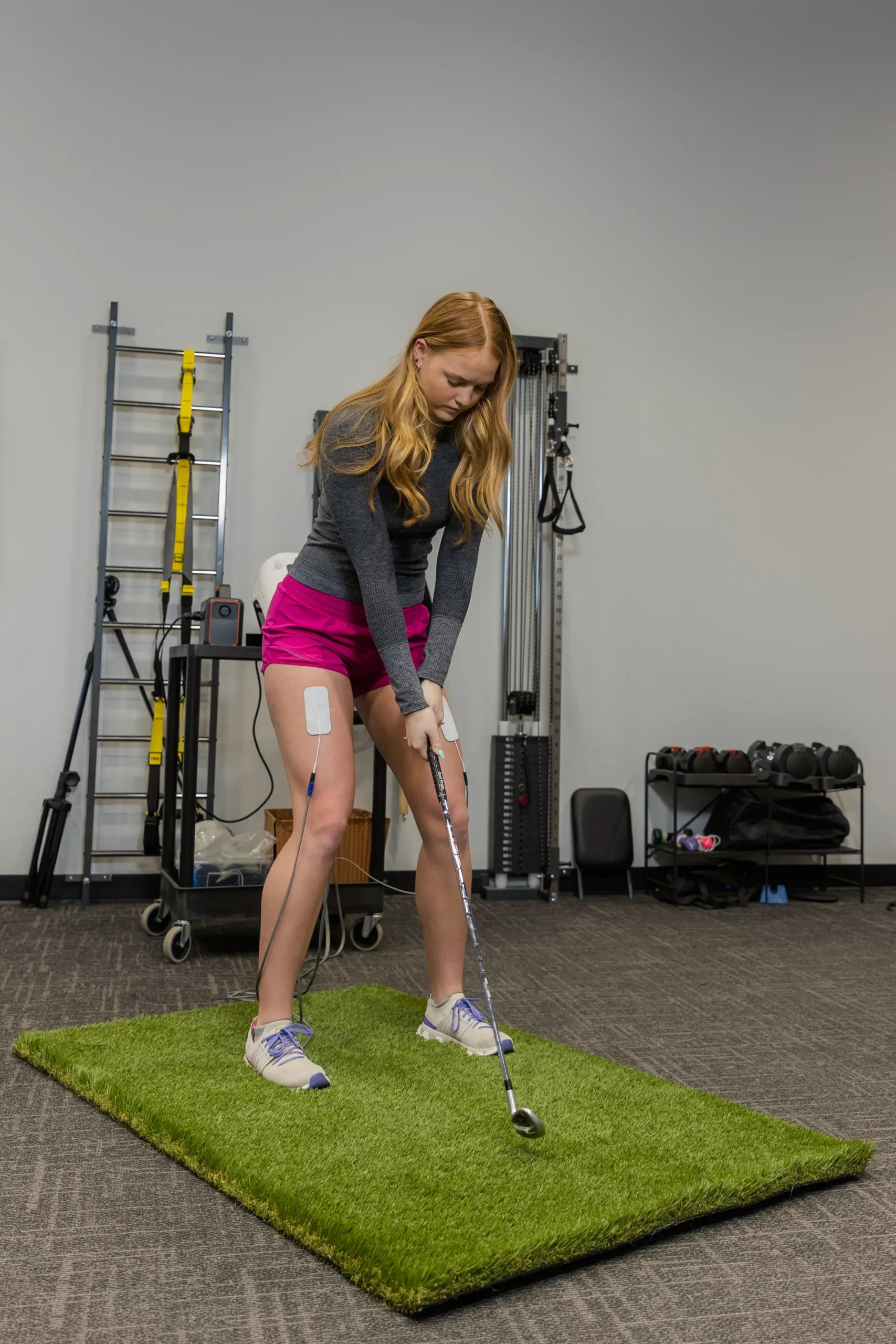
- Modalities such as dry needling or Neubie electrical stimulation
- Corrective exercises to restore healthy movement
- Core stabilization and posture training
Patient Success
“From my 1st thorough consultation, caring PT appointments, use of the Neubie, daily app exercises, and follow up on my health status, I will continue and would highly recommend iMovePT!” — J.Y.

Our Mobile Physical Therapy Services
At iMove PT, we offer a comprehensive range of mobile physical therapy services designed to cater to your unique needs. Our expertise spans orthopedic rehabilitation, sports medicine, neurological rehabilitation, geriatric physical therapy, and pre and post-surgical rehabilitation. By providing targeted, specialized care, we ensure that our clients receive the most effective treatment and support throughout their recovery journey. Our mobile services bring this personalized approach directly to your doorstep, making your physical therapy experience more convenient and accessible than ever before. We understand that every client’s journey to recovery is unique, which is why we prioritize personalized treatment plans, skilled and licensed therapists, flexible scheduling, and ongoing support. At iMove PT, our commitment to your well-being extends beyond treating injuries and conditions.
Three Examples of the Benefits of Personalized Care
Still not sure how beneficial personalized care can be? We think these three patient stories speak for themselves (all names have been changed):
- Case 1: Active Dad with a Muscle Strain: David strained his lower back while helping his son move into a new apartment. The pain made it difficult to stand for long periods–or do much else. During his initial evaluation, we found muscle tightness and inflammation in his lumbar spine. His treatment plan included manual therapy to release tension, heat therapy for pain relief, and core stabilization exercises to support healing. After four weeks of focused care, David returned to his normal activities with no restrictions.
- Case 2: Retired Golfer with Degenerative Disc Disease: Jim, a former golfer in his 70s, came in with stiffness and back pain that affected his swing and daily routine. We determined he had developed degenerative disc disease, which occurs when the discs between the spine dry out and lose flexibility. DDD doesn’t have a cure, but we helped Jim manage his symptoms with core activation exercises, customized resistance training to safely build back strength, and Neubie electrical stimulation for pain relief. And since he was a golfer, we introduced him to our “Back-Nine” program so he could continue to enjoy golf despite living with DDD.
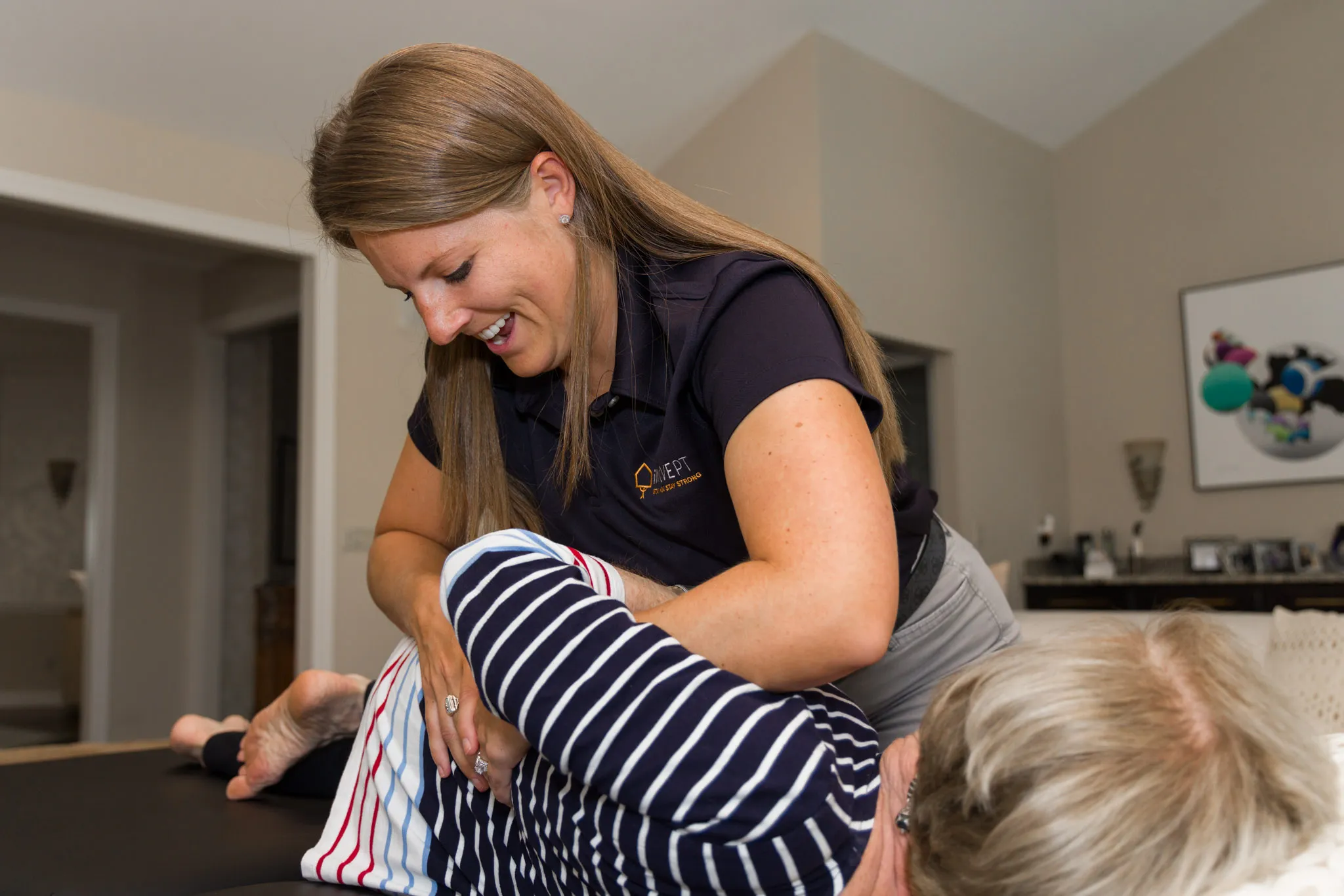
- Case 3: A New Mom Receiving Mobile PT: Emily, a new mother recovering from a cesarean section, couldn’t easily travel to a clinic to manage her persistent lower back pain. We provided mobile physical therapy at her home, allowing her to receive care without disrupting her infant’s routine. Her sessions included postural retraining, gentle core strengthening, and manual therapy for mid-back tightness. Even better, the convenience of mobile PT helped her stay consistent and recover faster.
Find Your Fit with iMove PT
Don’t settle for generic care if you’re struggling with back pain. Our team will design a care plan made just for you. Call us today to schedule your in-clinic or mobile evaluation and take the first step toward lasting relief.
Stealthy Exercises To Do At Your Work Desk
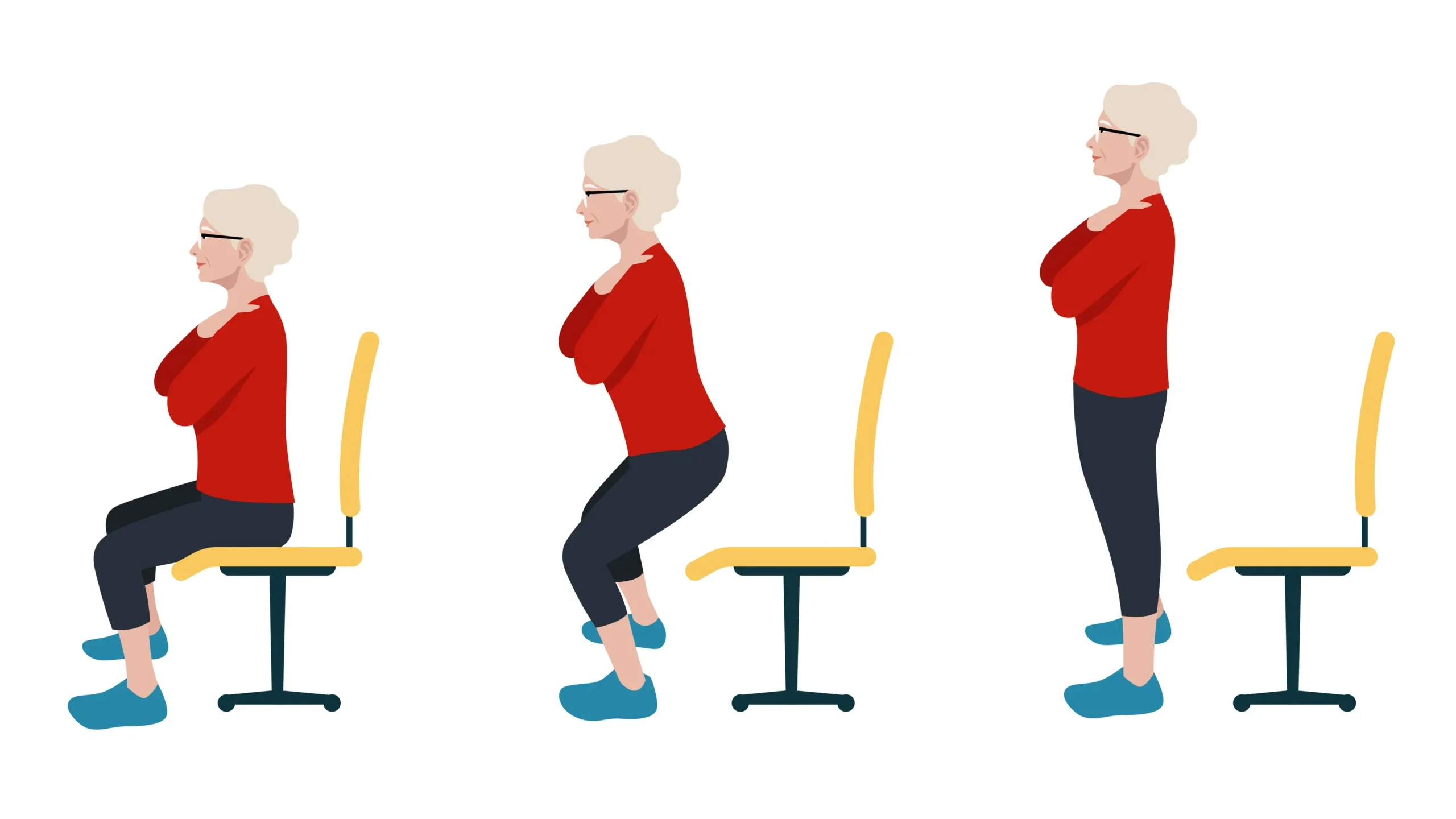
If you have an office job, it’s essential that you take breaks from sitting. Prolonged sitting strains our back and neck muscles, leading to pain and other impairments. One way to combat this is to set a timer to go off every 30 minutes to an hour, reminding you to stop what you’re doing and take a few minutes to move: for instance, get up and walk around the office or do some simple stretches.
But sometimes, that’s just not possible. Fortunately, these stealth exercises allow you to work your core and back muscles without drawing a lot of attention to yourself.
- Core Activation: Sit up tall in your chair with your pelvis tilted forward. Squeeze your core muscles tightly and hold for 15 seconds (don’t forget to breathe). Then, release and repeat. You can build the intensity by lifting one foot at a time as you engage your core.
- Seated Twists: Sit up tall with your core activated. Take a deep breath in. Then, as you exhale, twist to one side. There, take five deep breaths, then return to facing the front. Repeat the process on the other side.
- Chair Squats: If you don’t need to be super-stealthy, chair squats are a good way to get some movement in. Push your chair away from your desk so you can stand up without using your hands. Then move to sit back down–but stop right before you hit the chair. Repeat as many times as you need.

Recipe of the Month: Beef & Broccoli
Ingredients:
- 1 lb rump steak, finely sliced and slightly frozen, it’s easier to cut frozen
- 2 tablespoons soy sauce
- 1⁄2 teaspoon grated fresh ginger or 1/4 teaspoon ground ginger
- 2 tablespoons vegetable oil
- 1 lb broccoli, chopped
- 1 1⁄2 teaspoons cornstarch
- 1⁄2 cup beef broth
- 1 teaspoon soy sauce
- 1⁄4 teaspoon sesame oil
Directions:
-
Put meat in a bowl with 2 Tbs soy sauce and ginger, mix well. Heat your wok or frying pan to very hot. Add oil and coat the sides well. Add beef and broccoli and stir-fry until meat changes color (about 2 minutes).
-
Dissolve cornstarch into the beef stock and stir in remaining soy sauce and sesame oil.
-
Add to the beef and broccoli — stir until the sauce thickens. Serve over rice or noodles.